
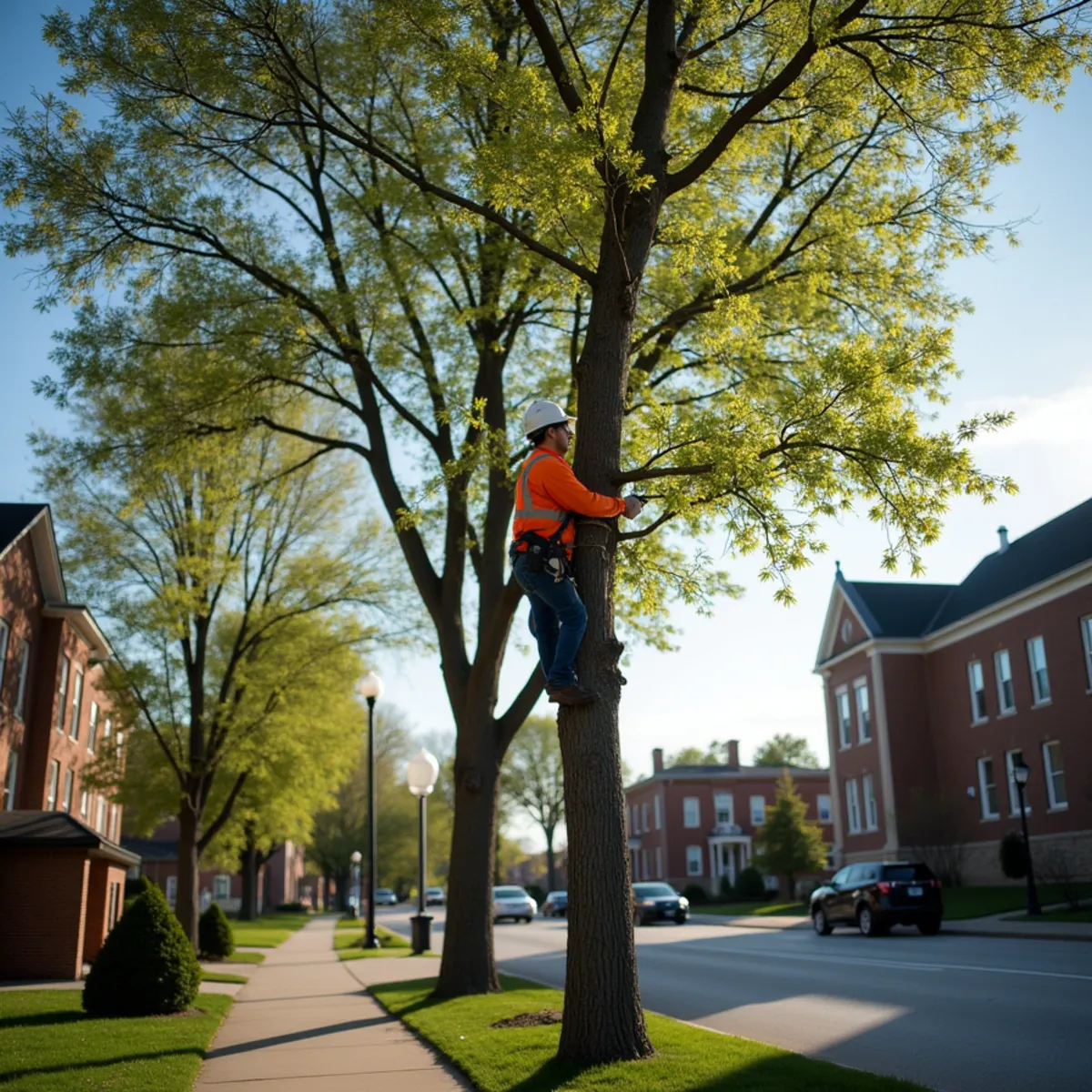
Defining the Parkway: Public Right-of-Way vs. Private Property
In residential neighborhoods throughout Springfield, Illinois, the strip of green grass situated between the sidewalk and the street curb is commonly known as the 'parkway.' For generations, majestic shade trees planted in parkways have shaded city streets, enhanced curbside aesthetics, and reduced summer pavement temperatures. However, when a parkway tree dies from Emerald Ash Borer, suffers severe storm breakage, or threatens nearby power lines, homeowners face confusion regarding who is legally responsible for taking it down. The parkway strip between the sidewalk and curb represents a shared municipal landscape that enhances neighborhood beauty across Springfield.
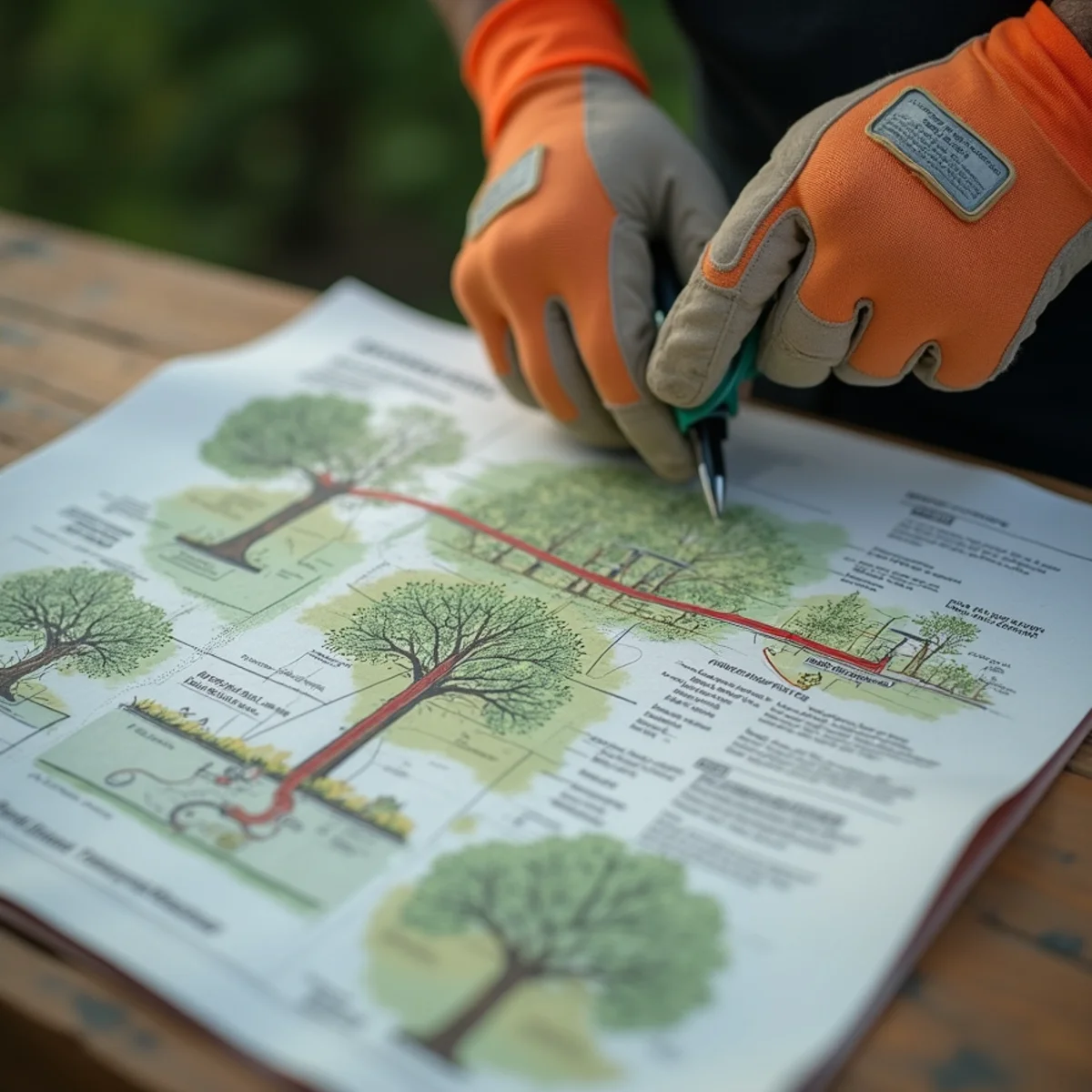
City of Springfield Municipal Jurisdiction: Office of Public Works Forestry
The fundamental legal principle governing parkways in Springfield is that the land between the private property line and the street curb is municipal public right-of-way. Even though the homeowner is responsible for mowing the turfgrass and keeping the parkway clean under city nuisance codes, the trees planted within that public right-of-way are legally the property and responsibility of the City of Springfield. Homeowners do not own parkway trees, even though they sit directly in front of their homes. While homeowners maintain parkway turf, the trees growing within the public right-of-way are legally the property of the City of Springfield.
Need Professional Advice for Your Trees?
Call our local dispatch desk at (858) 780-5212. We provide prompt on-site evaluations across Springfield and Sangamon County.
Who Is Legally Responsible for Parkway Tree Maintenance and Removal?
Within the city limits of Springfield, the Office of Public Works oversees the Forestry Division. The city's arborists and maintenance crews manage public street trees, conducting pruning, emergency storm hazard clearing, and tree removals for municipal inventory. Because parkway trees fall under city ownership, homeowners cannot simply cut down, top, or heavily prune a parkway tree on their own accord without municipal oversight and formal authorization. The City of Springfield Office of Public Works Forestry Division manages municipal trees, overseeing inspections, maintenance, and removals.
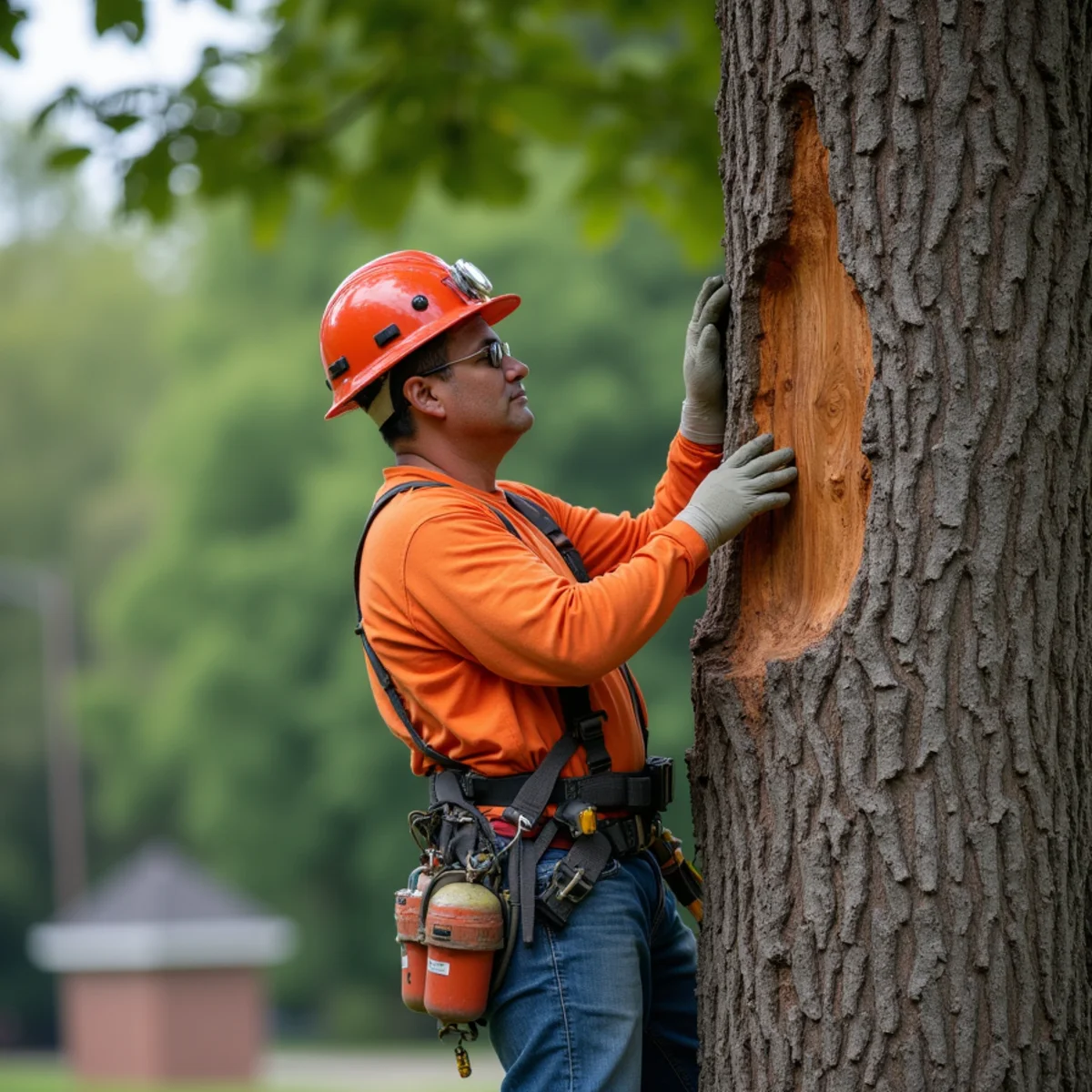
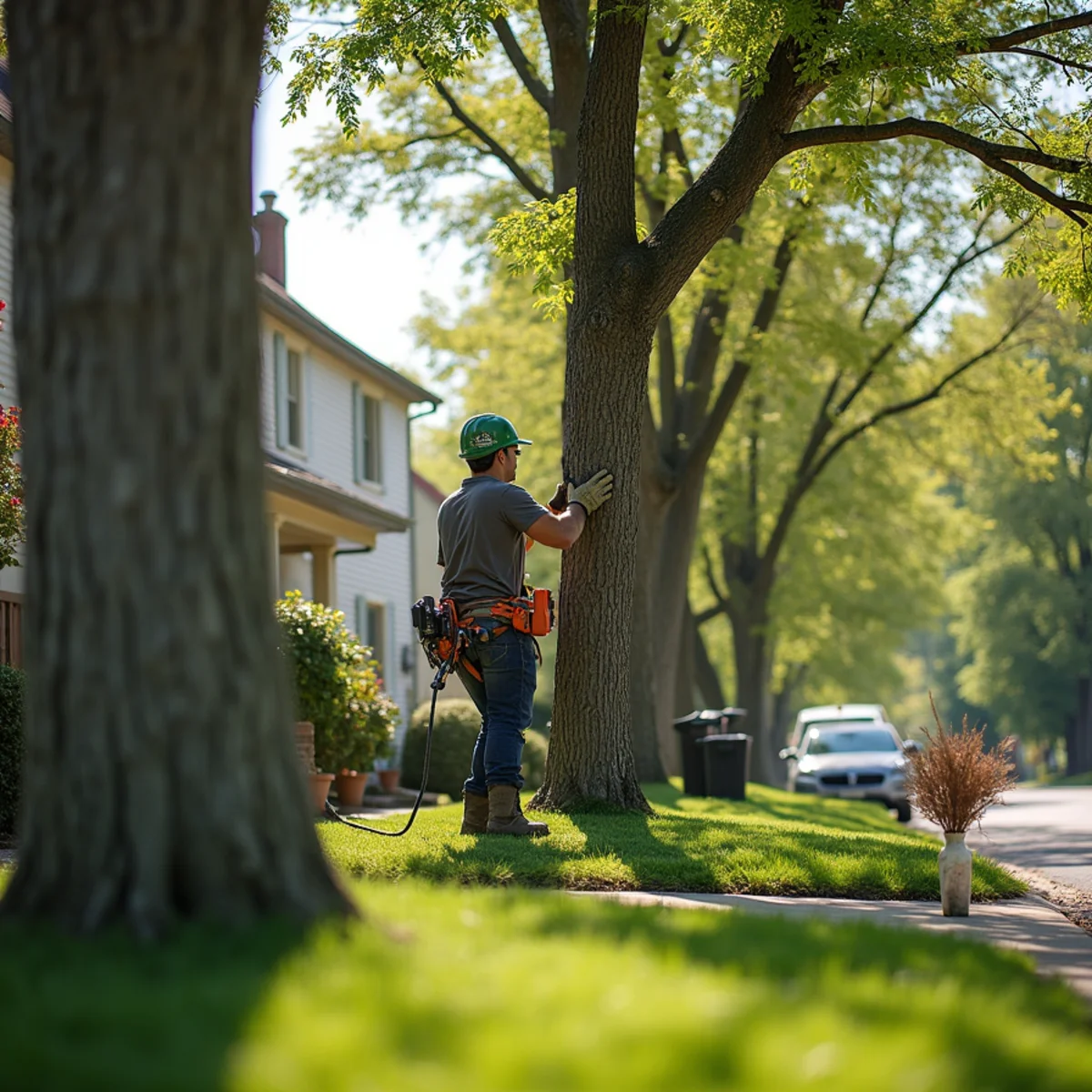
How to Report a Dead or Hazardous Parkway Tree to the City
If you have a dead, dying, or storm-damaged parkway tree in front of your Springfield residence, the proper procedure is to submit a service request directly to the City of Springfield Office of Public Works. Homeowners can report hazardous parkway trees through the city's online citizen service portal or by calling the forestry desk. A city arborist will inspect the tree, evaluate its hazard level, and place it on the municipal removal or pruning schedule based on public risk priority. Reporting hazardous or dead parkway trees through the city's service request portal initiates an arborist inspection and scheduling queue.
Can a Homeowner Hire a Private Tree Service to Remove a Parkway Tree?
Due to severe budget constraints and the massive backlog caused by the Emerald Ash Borer epidemic, the city's queue for non-emergency parkway tree removal can sometimes take months or even over a year. Homeowners who wish to expedite removal—often because dead limbs threaten their parked vehicles, or because they want to proceed with landscape remodeling—can apply for a private tree removal permit through Public Works. Once a permit is issued, the homeowner can hire a licensed, fully insured private tree contractor to remove the tree. Property owners who wish to expedite removal can obtain a municipal parkway tree work permit to hire a licensed, fully insured private tree service.
Parkway Regulations in Sangamon County Suburbs: Chatham, Jerome and Leland Grove
Regulatory procedures can differ slightly in independent incorporated suburbs across Sangamon County. In municipalities such as Chatham, Rochester, Sherman, Jerome, Grandview, and Leland Grove, local village ordinances dictate parkway forestry policies. While some villages manage all street trees directly, others allow property owners greater latitude to maintain their parkways. Always verify municipal village codes before undertaking street-side arboricultural work. Suburban municipalities across Sangamon County—including Chatham, Sherman, and Jerome—maintain distinct local ordinances regarding parkway forestry.
Who Pays for Sidewalk and Curb Damage Caused by Parkway Tree Roots?
Another frequent issue in Springfield neighborhoods involves parkway tree roots lifting concrete sidewalk slabs or displacing street curbs. Because sidewalks and curbs are municipal infrastructure within the right-of-way, repairing damaged concrete is generally managed under city engineering sidewalk replacement programs. If a parkway tree must be removed because its roots have destroyed the sidewalk or breached water laterals, city departments coordinate joint remediation. Roots that lift municipal sidewalks or damage curbs are evaluated under city public works infrastructure repair and sidewalk replacement programs.
Frequently Asked Questions About Springfield Parkway Trees
When hiring a private tree service to perform permitted parkway work in Springfield, ensuring contractor compliance is critical. The contractor must carry active commercial general liability insurance ($2,000,000 minimum), statutory workers' compensation, and possess valid municipal contractor licensing. At On The Grind, our team regularly works with Springfield municipal requirements, handling safe traffic control, JULIE utility locates, complete tree removal, and stump grinding with total professional care. Selecting a licensed tree contractor with experience in municipal permitting ensures that parkway tree removal and stump grinding proceed smoothly.
Frequently Asked Questions About Springfield Parkway Trees
No. Parkway trees are owned by the City of Springfield. You must either report the tree to the city for removal or obtain a municipal permit to hire a licensed private contractor.