
The Storm Stressors of Central Illinois: Derechos, Ice and Microbursts
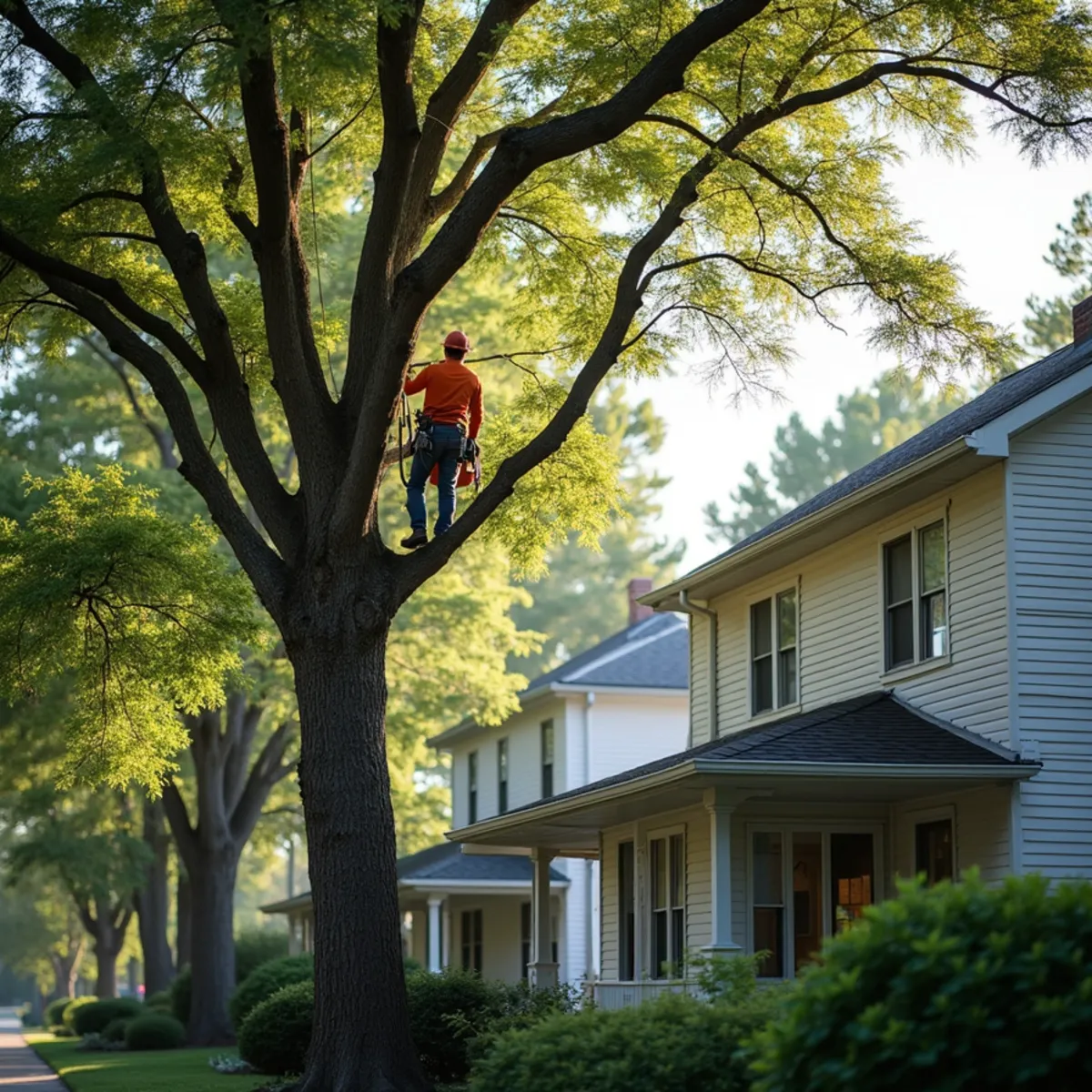
Central Illinois experiences some of the most demanding weather conditions in North America for mature landscape trees. From summer derechos delivering 80-mile-per-hour straight-line winds to severe winter ice storms that coat branches in thousands of pounds of glaze ice, our regional climate mercilessly tests structural tree integrity. In neighborhoods across Springfield, Chatham, and Taylorville, tree care professionals observe predictable patterns: certain tree species consistently fail during severe storms, causing millions of dollars in property damage. Central Illinois weather extremes—including severe summer derechos and heavy winter glaze ice—regularly test the limits of tree structural strength.
Species 1: Bradford / Callery Pear — The Inherent Splitting Machine
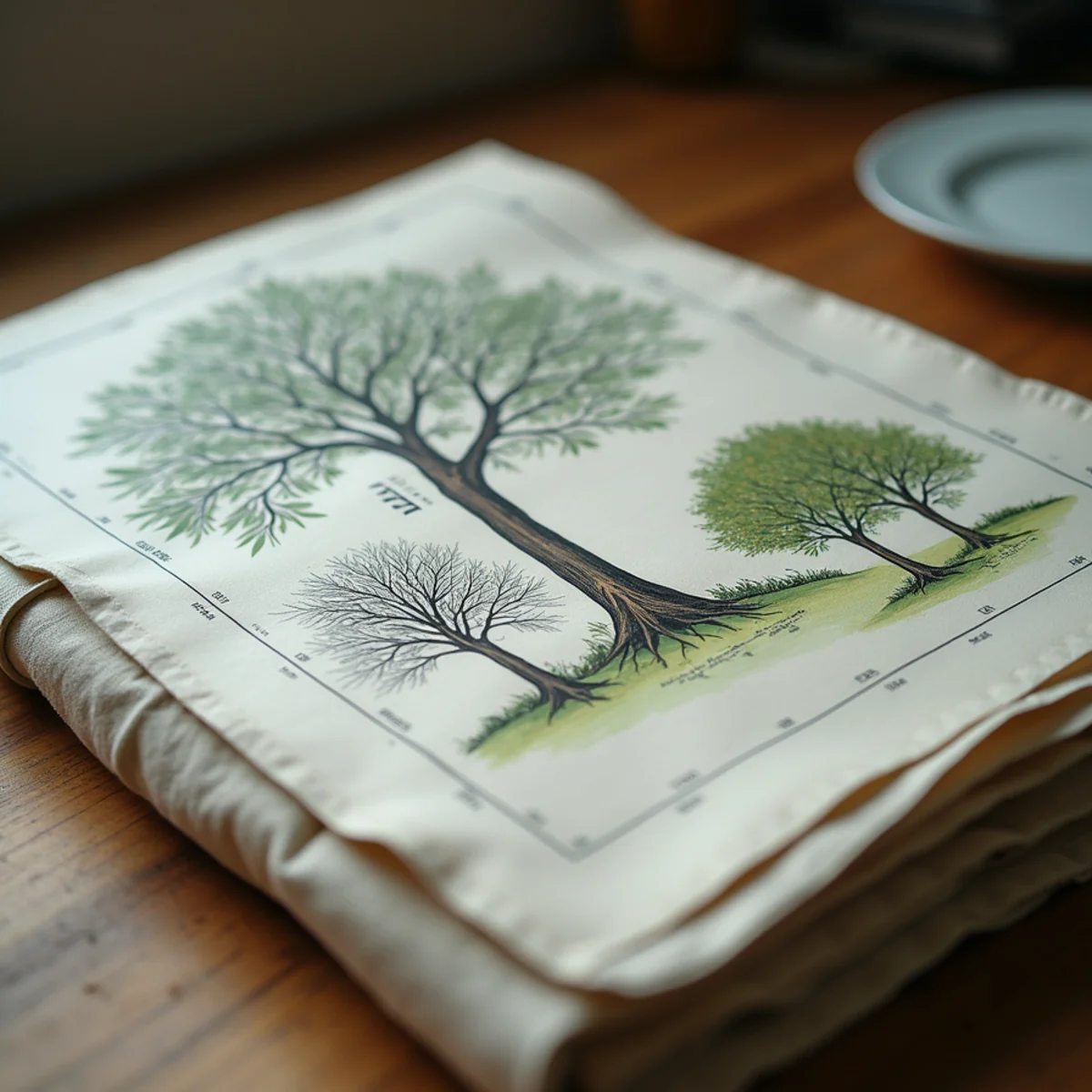
Topping the list of storm-vulnerable trees is the Bradford or Callery Pear (Pyrus calleryana). Widely planted in Midwestern subdivisions during the 1980s and 1990s for its white spring blossoms, the Bradford pear possesses a fundamentally flawed branch architecture. It produces dozens of upright branches emerging from a single point at steep, narrow angles with heavy included bark. By age fifteen to twenty, the weight of the canopy exceeds the mechanical strength of the joints. Under moderate summer wind or light ice, Bradford pears routinely split completely in half. Bradford callery pears possess flawed branch architecture, with dozens of co-dominant stems that routinely split apart during moderate windstorms.
Need Professional Advice for Your Trees?
Call our local dispatch desk at (858) 780-5212. We provide prompt on-site evaluations across Springfield and Sangamon County.
Species 2: Silver Maple — Fast Growth, Brittle Wood and Weak Crotches
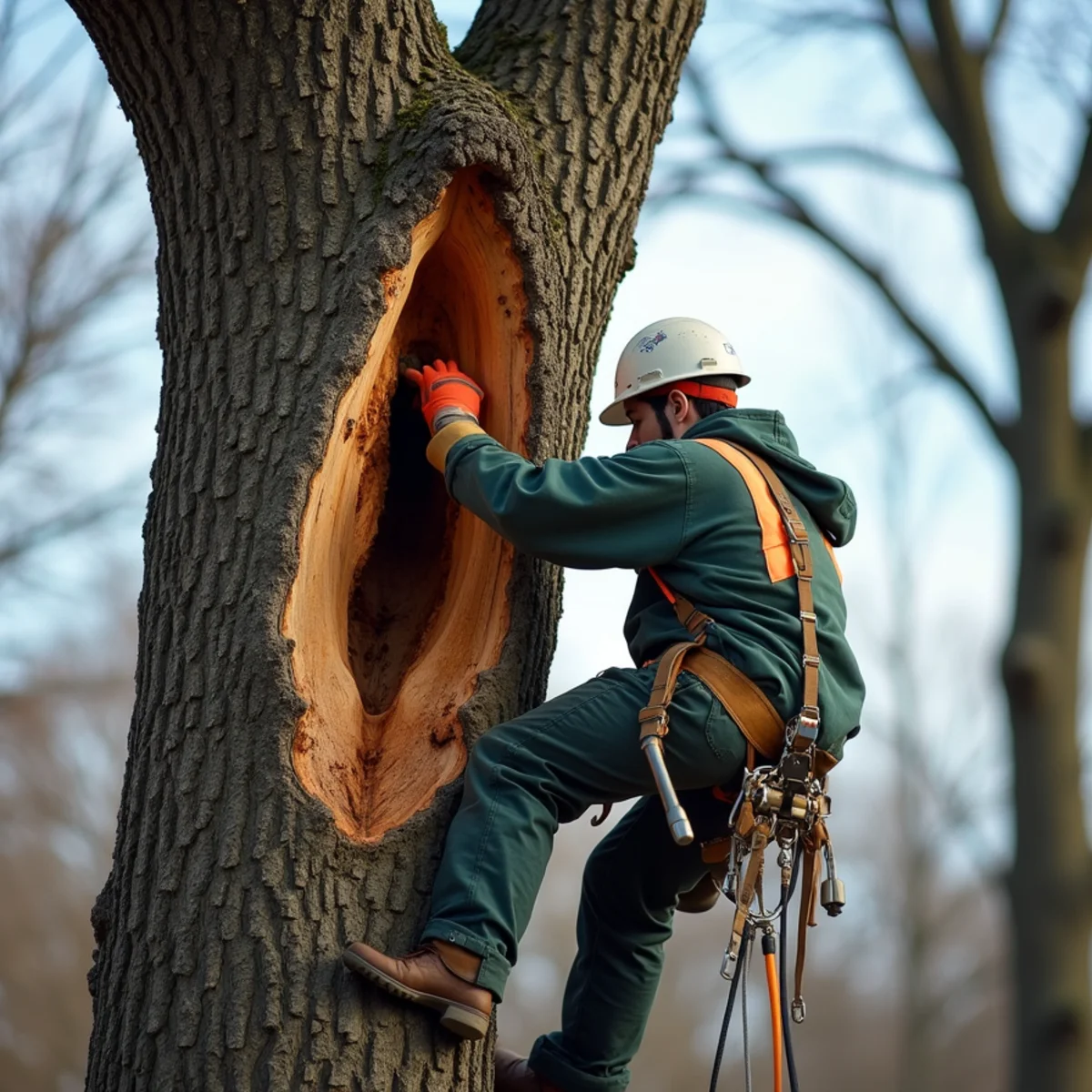
The second most common storm casualty is the Silver Maple (Acer saccharinum). Native to Midwestern river bottomlands, silver maples grow exceptionally fast, making them popular for quick residential shade. However, rapid growth produces light, brittle wood fibers with low tensile strength. Silver maples frequently develop large co-dominant stems, narrow V-crotches, and deep hollows where old limbs broke off. During summer microbursts, heavy scaffold limbs rip away, peeling down the trunk and damaging roofs and vehicles. Silver maples grow rapidly but produce light, brittle wood fibers and weak V-crotches that peel away during summer microbursts.
Species 3: Siberian Elm — Brittle Branches and Rapid Internal Decay
The Siberian Elm (Ulmus pumila) represents another high-failure species across Sangamon County. Introduced as a fast-growing shade tree, Siberian elms feature brittle wood that shatters under sudden wind shear. Their twigs and branches litter lawns after even minor thunderstorms, and large lateral limbs frequently snap off near the trunk due to hidden decay pockets that develop rapidly after insect or mechanical wounding. Siberian elms feature brittle twigs and limbs that fracture easily, dropping debris across lawns and developing rapid decay in wounded joints.
Species 4: Eastern Cottonwood — Massive Heavy Limbs Prone to Dropping
Eastern Cottonwoods (Populus deltoides) and large Willows also pose substantial storm hazards when planted near residential structures. These bottomland species possess massive, water-heavy canopies and weak wood. While magnificent in wide-open river valleys, an eighty-foot cottonwood overhanging a house can drop multi-ton boughs with no preliminary creaking during summer gusts, punching through roofs with catastrophic force. Eastern cottonwoods and large willows have heavy, water-dense canopies that drop massive boughs unexpectedly during high-wind events.
Species 5: Dead and Untreated Green Ash — The Extreme Snap Hazard
Standing dead or untreated Green and White Ash trees killed by the Emerald Ash Borer represent an urgent, acute failure category. Within one to two years of dying, ash timber loses all cellular moisture and elasticity. Unlike living trees that flex and bend in high winds, dead ash wood snaps cleanly like chalk. Standing dead ash trees along property lines or driveways frequently collapse completely at the root flare during even modest 40-mile-per-hour gusts. Dead ash trees killed by Emerald Ash Borer lose all wood elasticity within months, snapping cleanly at the root flare during modest gusts.
Preventative Arboricultural Care: Cabling, Bracing and Weight Reduction
Homeowners can significantly reduce storm failure risks through proactive arboricultural maintenance. For valuable mature trees with minor structural weaknesses, certified arborists can perform canopy weight reduction pruning, thinning the outermost branch tips to reduce the wind sail effect. Installing Cobra dynamic synthetic cabling systems or steel support rods between co-dominant stems helps companion trunks distribute wind loads together, preventing catastrophic split failures. Preventative crown thinning, end-weight reduction, and dynamic synthetic cabling help vulnerable hardwoods withstand intense storm forces.
Storm-Resilient Native Alternatives to Plant in Central Illinois
When replacing hazardous trees, choosing storm-resilient native species ensures your landscape will withstand decades of Midwestern weather. Recommended species include White Oak, Bur Oak, Swamp White Oak, Bald Cypress, Kentucky Coffeetree, and Shagbark Hickory. These trees possess dense, high-tensile wood fibers, strong wide branch angles, and deep anchoring taproots that offer extraordinary resilience against the fiercest Illinois storms. Planting storm-resilient native hardwoods like bur oak, white oak, and bald cypress ensures decades of shade with minimal storm breakage risk.
Frequently Asked Questions About Storm-Prone Trees in Springfield
Bradford pears have severe structural defects: dozens of co-dominant stems growing from one point with included bark. As trunks grow, they push against each other until wind or ice forces them apart.