Rapid Storm Damage Tree Cleanup & Debris Removal Across Central Illinois
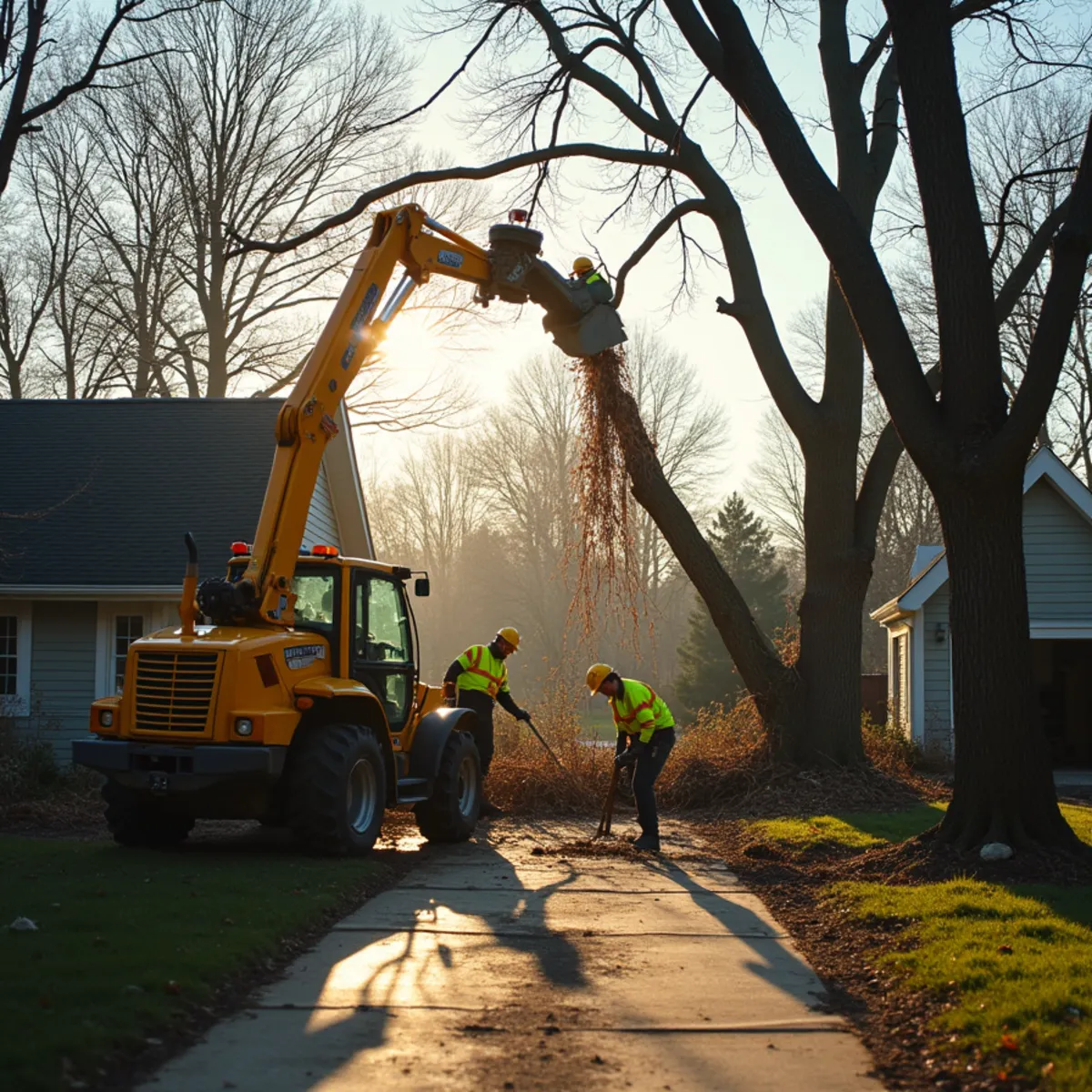
When catastrophic thunderstorms, high-velocity summer derechos, or winter ice storms rip through Sangamon County, rapid storm damage tree removal in Springfield, IL is essential to restore property access, eliminate hanging canopy hazards, and protect residential structures from cascading water infiltration. Our fully equipped Springfield storm recovery crews deploy industrial-grade drum chippers, grapple-equipped loaders, and articulating aerial lifts across Springfield and neighboring communities. We specialize in fast-response storm aftermath cleanup, clearing blocked driveways, sectioning split timber, processing thousands of pounds of tangled branches, and safely stabilizing compromised shade trees before secondary property damage occurs.
Central Illinois occupies a volatile weather corridor where warm humid Gulf air collides with Canadian cold fronts, generating sudden convective squall lines with straight-line winds exceeding 75 to 90 mph. The architectural tree canopy across Springfield—dominated by mature silver maples, green ashes, pin oaks, and river birches—endures immense mechanical strain during these weather events. Saturated glaciated silt loam soils loosen root plate adhesion, while heavy rainfall adds thousands of pounds of hydrostatic weight to leafy canopies. When severe weather hits, our storm recovery crews provide orderly, rapid, and fully insured arboricultural triage, clearing massive debris piles, sectioning dangerous limbs, and restoring safety to residential yards and commercial grounds.
Need Professional Storm Damage Tree Cleanup in Springfield?
Call our dispatch team at (858) 780-5212 for rapid callbacks and transparent, upfront written quotes.
Derecho Winds, Tornadoes & Ice Storms: Central Illinois Weather Realities
Springfield and the broader Sangamon County plains have a long history of intense, violent weather phenomena that test the structural resilience of urban and suburban trees:
- Summer Derechos & Microbursts:Central Illinois frequently experiences intense bow-echo convective systems producing sustained straight-line winds up to 80+ mph. These lateral wind gusts exert severe torsional shear on broadleaf canopies, tearing large limbs from trunks and splitting multi-stem trees down their central crotches.
- Tornadic Storm Cells:From the devastating March 2006 twin tornadoes that tore through Springfield to isolated localized funnel clouds, tornadic wind vortices twist tree crowns and uproot healthy century-old hardwoods with violent upward suction.
- Winter Freezing Rain & Glaze Ice Storms:Illinois ice storms deposit accumulating glaze ice on branch surfaces. A mere 0.5-inch radial ice buildup increases branch weight by 10 to 30 times, causing brittle species like silver maple, boxelder, and willow to snap catastrophically over power lines, roofs, and parked vehicles.
- Rapid Soil Saturation & Root Failure:Prolonged spring squalls saturate Sangamon County's clay subsoils, turning foundational anchor dirt into soft mud. Saturated topsoil loses shear resistance, allowing wind-levered trees to pivot out of the ground entirely.
Triage Assessment: Identifying Imminent Hazards & Widowmakers
In the immediate aftermath of a severe storm, chaos often obscures lethal risks. Our ISA-aligned arborists follow a structured hazard triage hierarchy before mobilizing heavy machinery:
- Priority 1:Overhead Hanging Branches ('Widowmakers'): Partially snapped limbs suspended high in the canopy are among the most lethal hazards following high winds. Held by only a few wood fibers or tangled in adjacent branches, widowmakers can plunge unexpectedly with the slightest breeze. We safely rig and extract overhead hangers using aerial lift baskets or ground-based pole saws.
- Priority 2:Severely Split & Cracked Trunks: Mature trees displaying deep longitudinal fissures, torn crotches, or separated co-dominant stems must be stabilized or immediately felled before changing wind directions topple them onto homes or outbuildings.
- Priority 3:Utility Service Drop Entanglement: Trees leaning onto primary distribution wires or residential service drops require immediate electrical de-energization through CWLP (inside Springfield: 217-789-2121) or Ameren Illinois (surrounding county areas: 800-755-5000) before mechanical clearing begins.
- Priority 4:Driveway, Garage & Roadway Obstructions: Clearing access corridors ensures emergency vehicles, utility repair trucks, and residents can safely navigate properties.
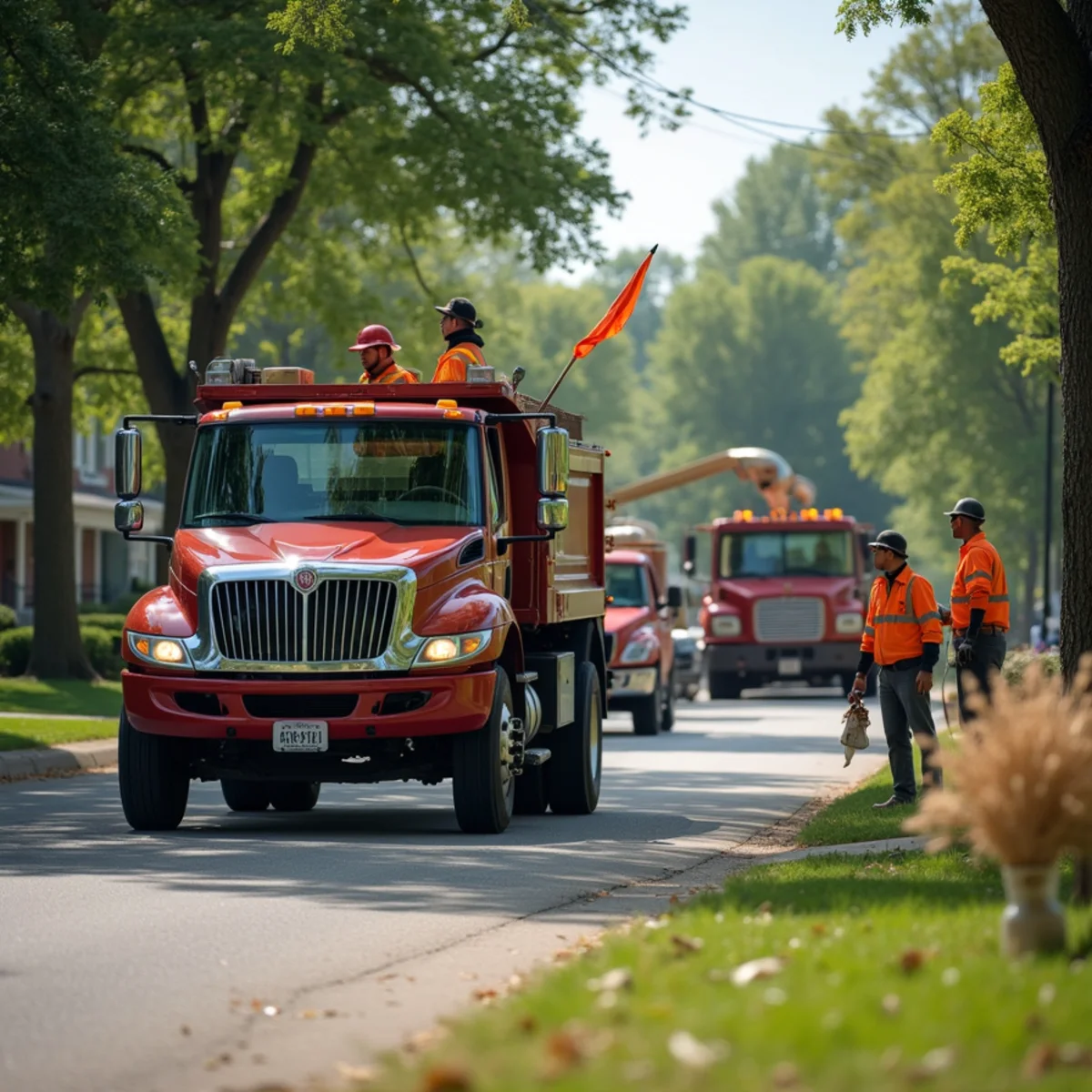
Commercial Brush Chipping, Log Haul-Off & Ground Rake-Out
Recovering from a severe weather event requires heavy-duty mechanical capacity that consumer tools cannot match. We arrive with specialized commercial forestry equipment engineered to process massive debris volumes cleanly and efficiently:
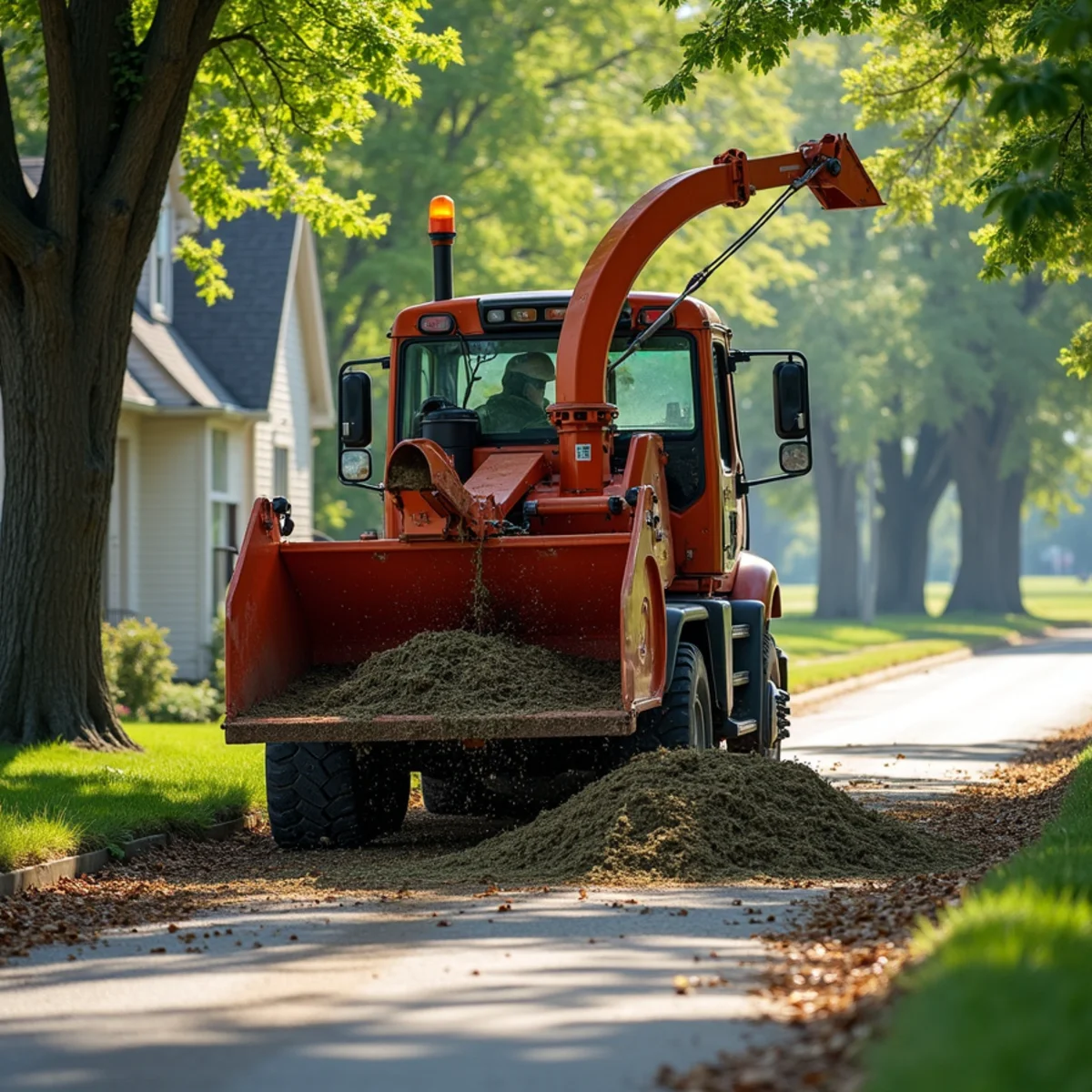
- High-Capacity Industrial Drum Chippers:Our tracked and trailer-mounted wood chippers process limbs and brush up to 18 inches in diameter into uniform wood chips within seconds, dramatically reducing debris volume right at the curb.
- Articulating Compact Mini-Loaders:To transport heavy logs without chewing up saturated Illinois prairie lawns, we utilize compact articulated wheel loaders and rubber-tracked loaders equipped with hydraulic brush grapples. These machines exert low ground pressure, rolling over protective turf mats to preserve sod.
- Heavy Timber Log Hauling:Massive trunk sections and heavy hardwood rounds are loaded onto high-capacity dump trailers or grapple knuckleboom trucks and transported to licensed Central Illinois organic recycling facilities.
- Thorough Yard Rake-Out & Magnetic Sweep:Once heavy debris is loaded, our ground crew thoroughly rakes lawn surfaces to remove twigs, splintered bark, and leaf litter. Around driveway and patio staging areas, we conduct magnetic sweeps to recover stray metal hardware, leaving properties clean, manicured, and safe.
Canopy Restoration: Salvaging Storm-Damaged Trees
Not every tree damaged in a violent storm needs to be condemned to removal. Many structurally sound mature trees that have lost lateral branches can be preserved through skilled restorative arboriculture:
- Restorative Canopy Pruning:When a major limb snaps off jaggedly, our arborists make clean subordinate cuts back to healthy lateral branch collars. Clean cutting prevents bark tears from widening and accelerates natural callus tissue formation, preventing wood-decay fungi from penetrating the heartwood.
- Canopy Balancing & Weight Reduction:Storms often shear off limbs on one side of a tree, leaving the canopy severely unbalanced. We selectively prune opposite branches to re-center the tree's gravitational load and reduce wind sail resistance against future storms.
- Crown Cleaning & Structural Assessment:We inspect the remaining crown for hidden cracks, cambium bruising, and torn branch attachments, pruning compromised wood while retaining sufficient photosynthetic leaf area (aiming to preserve at least 50–60% of healthy canopy).
- Cabling & Bracing Evaluation:For valuable specimen hardwoods that sustained partial crotch splitting but retain sound trunk wood, we can install high-strength steel cabling systems to physically support co-dominant leaders.
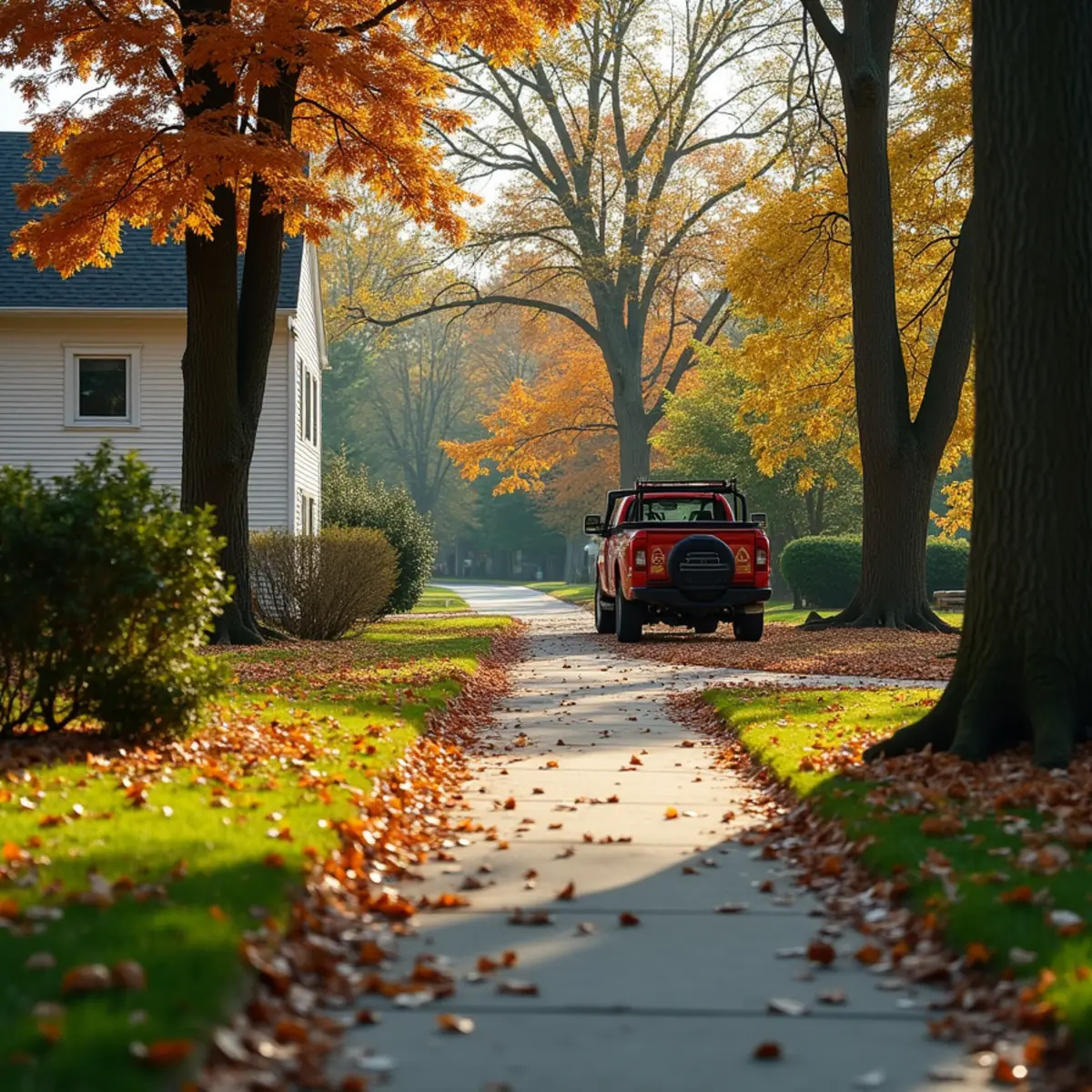
Pricing Factors for Large-Scale Storm Debris Cleanup
Storm damage cleanup costs vary based on the extent of property destruction, machinery required, and technical hazards involved. We provide clear, itemized written estimates with zero hidden fees:
- Total Volume of Debris:Pricing correlates directly with the estimated volume of brush, shattered limbs, and trunk wood to be chipped, hauled, or processed. Projects are measured by chipper truck capacity and total tonnage.
- Accessibility & Yard Staging:Downed timber in open front yards is significantly faster and less costly to clear than debris trapped in enclosed rear yards with narrow 36-inch gates or steep grades requiring manual hand-carrying.
- Aerial Hazard Complexity:Extracting snapped branches dangling 40 to 60 feet overhead requires skilled bucket truck maneuvering or specialized rope rigging, which involves higher labor and equipment allocation than ground-level clearing.
- Crane or Heavy Rigging Requirements:Uprooted trees perched over fences or resting against garages demand precision crane hoisting to prevent secondary impact damage, which incorporates mobile crane dispatch rates.
- Emergency vs. Scheduled Cleanup:Immediate same-day triage during peak regional storm crises carries after-hours emergency rates, whereas scheduled debris removal during standard business hours is billed at standard tree care pricing.
- Service Area Coverage:We serve property owners across Springfield, Chatham, Sherman, Rochester, Riverton, Leland Grove, Jerome, Grandview, Southern View, Williamsville, Auburn, Pawnee, and surrounding Sangamon County.
Frequently Asked Questions About Storm Damage Tree Cleanup
Our emergency triage teams mobilize within 60 to 90 minutes across Springfield and Sangamon County for active structural hazards, blocked driveways, or downed trees threatening buildings. For general yard debris, fallen brush, and broken limbs scattered across lawns, we schedule same-day or next-day on-site assessments with upfront written estimates.