Uprooted Tree & Root Ball Removal Across Springfield, IL
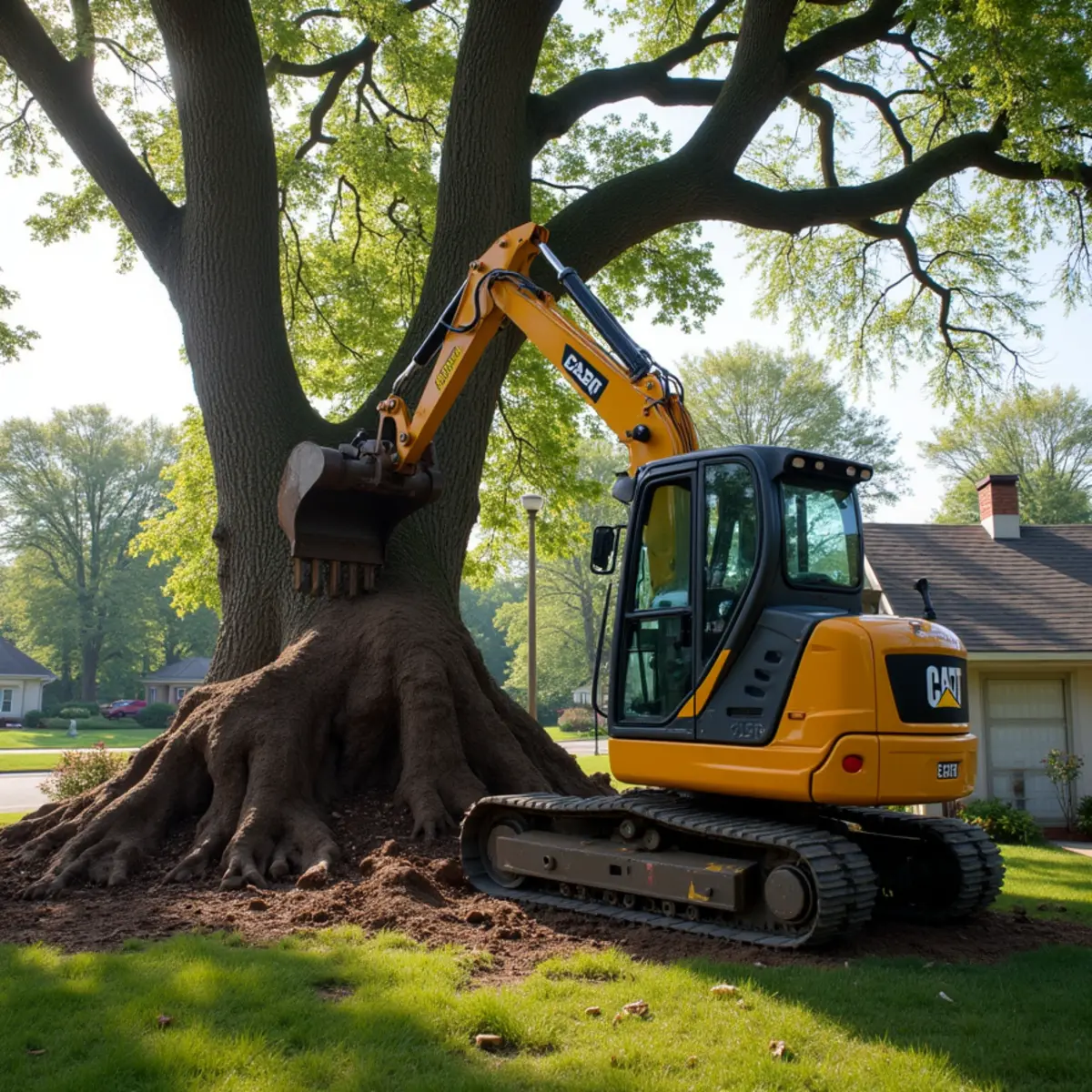
When high-velocity winds or tornadic squalls wrench a mature shade tree out of the earth, specialized uprooted tree removal in Springfield, IL is urgently required to neutralize lethal trunk tension, extract massive vertical root discs, and remediate crater voids in residential lawns. An uprooted timber specimen lying semi-horizontally with its massive root mass hoisted into the air is a severe kinetic hazard distinct from ordinary ground felling: the enormous subterranean root disc—often weighing four to eight tons including adhering clay and rock—acts as an immense counterweight balanced against the fallen trunk. Our Springfield storm extraction specialists utilize heavy mechanical winches, excavator anchors, tension-relief cuts, and high-horsepower stump grinders to dismantle windthrown trees safely and restore lawn grade.
Across Sangamon County, summer convective storms and heavy derecho squalls frequently exploit the physical limitations of shallow Central Illinois root systems. Saturated prairie clay topsoil softens after intense rainfalls, allowing gale-force gusts to exert massive rotational torque on leafy crowns until root anchorage fails completely. The resulting displacement leaves cavernous yard craters that swallow mower tires, undermine adjacent fence posts, and expose tangled municipal utilities. Our fully bonded and insured arborists provide end-to-end site stabilization, controlled trunk detachment, root ball processing, crater backfilling, and seedbed preparation throughout Springfield and neighboring communities.
Need Professional Uprooted Tree & Root Ball Removal in Springfield?
Call our dispatch team at (858) 780-5212 for rapid callbacks and transparent, upfront written quotes.
Why Trees Uproot: Soil Saturation, Wind Shear & Shallow Root Plates
Windthrow failure across Central Illinois residential neighborhoods results from a specific collision of soil geology and crown mechanics:
- Saturated Prairie Subsoil Plasticity:Sangamon County's illite-rich clay subsoils possess low drainage permeability. Following heavy multi-day precipitation, topsoils reach liquid saturation limits, losing the frictional cohesion that holds root hairs in place.
- Dense Subsurface Hardpan Barriers:Compact clay horizons located 10 to 18 inches below grade prevent deep structural taproot growth. Hardwoods like silver maples, green ashes, and pin oaks respond by forming wide, shallow horizontal root plates that behave like flat dinner plates rather than deep anchors.
- Crown Aerodynamic Drag & Hydrostatic Leaf Weight:During summer squalls, broadleaf canopies act like giant sails capturing wind energy. Rainwater adhering to dense foliage adds thousands of pounds of overhead load, multiplying lateral wind torque against the waterlogged root plate.
- Rotational Torque Overcoming Tensile Root Strength:When windward lateral roots snap under tension, the entire tree pivots on its leeward root hinge, levering out of the ground in a single catastrophic motion.
The Danger of Root Ball Kickback During Tension Cuts
Severing an uprooted tree trunk without mechanical counter-anchoring presents one of the most fatal hazards in modern arboriculture known as 'root ball kickback':
- The Lethal Teeter-Totter Physics:The vertical root plate disc, heavy with tons of adhered soil, is held suspended in mid-air only by the balancing weight of the fallen trunk. If a saw operator severs the log near the base, the counterbalancing weight vanishes instantly.
- Violent Rotational Rebound:Relieved of trunk weight, the heavy root mass slams violently back down into the crater cavity or rolls sideways with crushing hydraulic force. Anyone standing behind the trunk, inside the crater, or near root spurs can be crushed instantly.
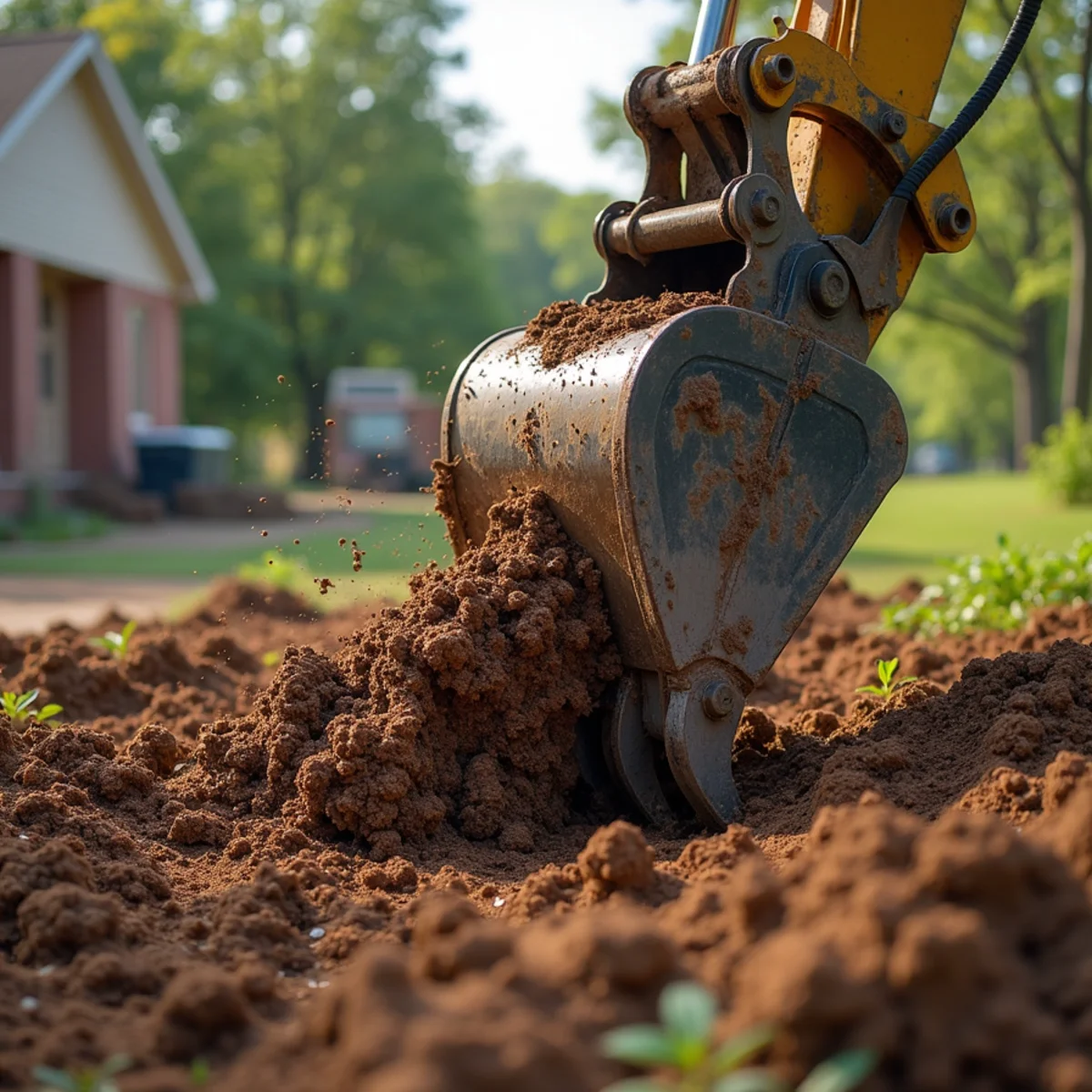
- Mechanical Winch & Excavator Restraints:Our crews secure high-tensile steel winch cables or heavy excavator bucket down-pressure against the vertical root plate before a chainsaw ever touches the wood, mechanically pinning the root mass in place.
- Incremental Relief Cutting Protocol:Technicians execute staggered top-down bucking cuts starting at the crown canopy and working inward toward the root plate, monitoring tension distribution at every segment.
Grinding the Root Plate, Filling the Lawn Crater & Site Leveling
Once the trunk is bucked and removed, restoring the scarred landscape requires industrial earth-moving and grinding machinery:
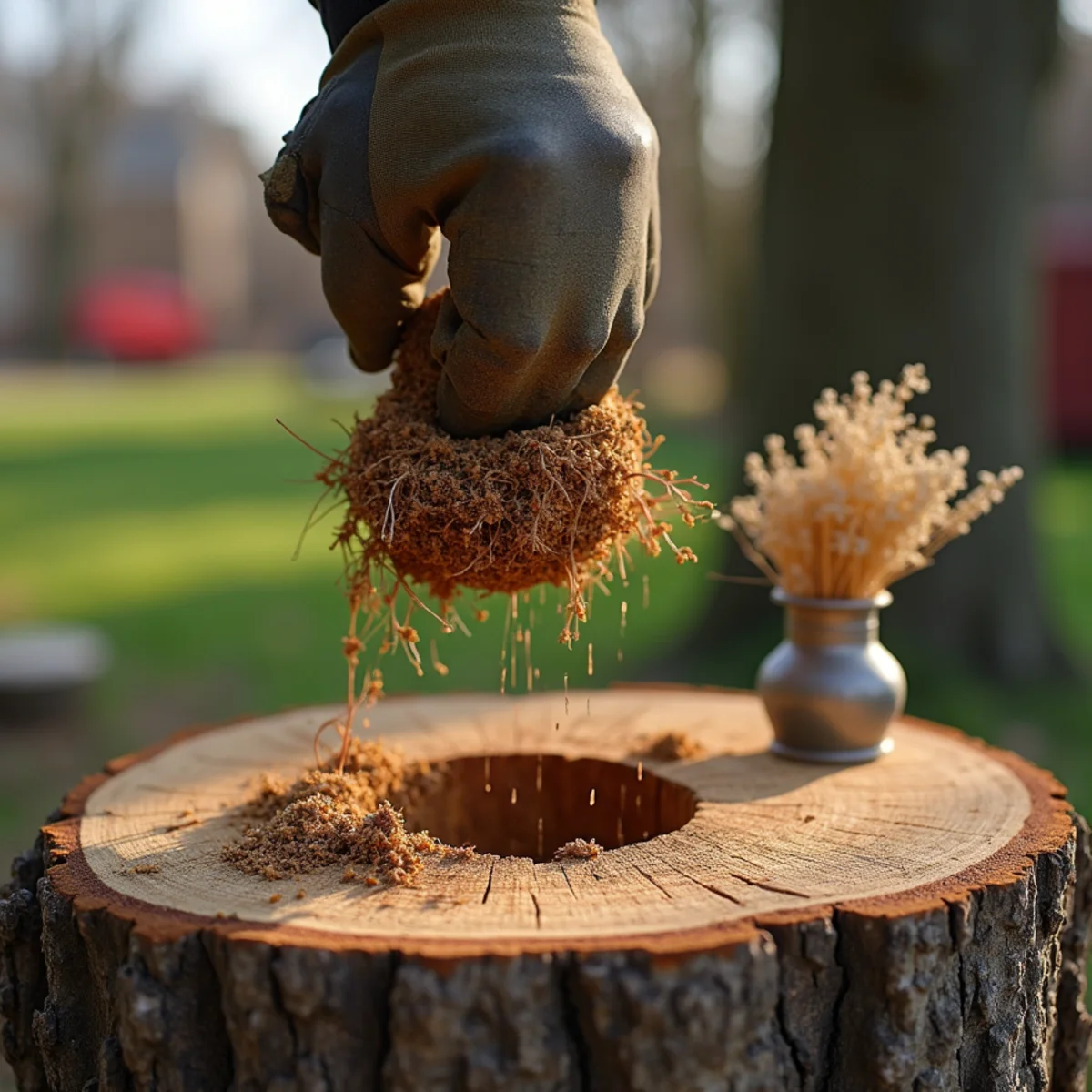
- Root Disc Processing Options:Depending on property access, we either deploy high-tonnage track loaders to tilt the root plate into the crater for deep subsurface grinding, or use mini-excavators equipped with root grapple claws to extract the entire root plate for off-site organic recycling.
- Excavating Buried Wood & Shaving Lateral Spurs:We grind out severed root stubs along the crater perimeter down to 12 to 18 inches below grade to eliminate subterranean decaying wood pockets that cause future sinkholes.
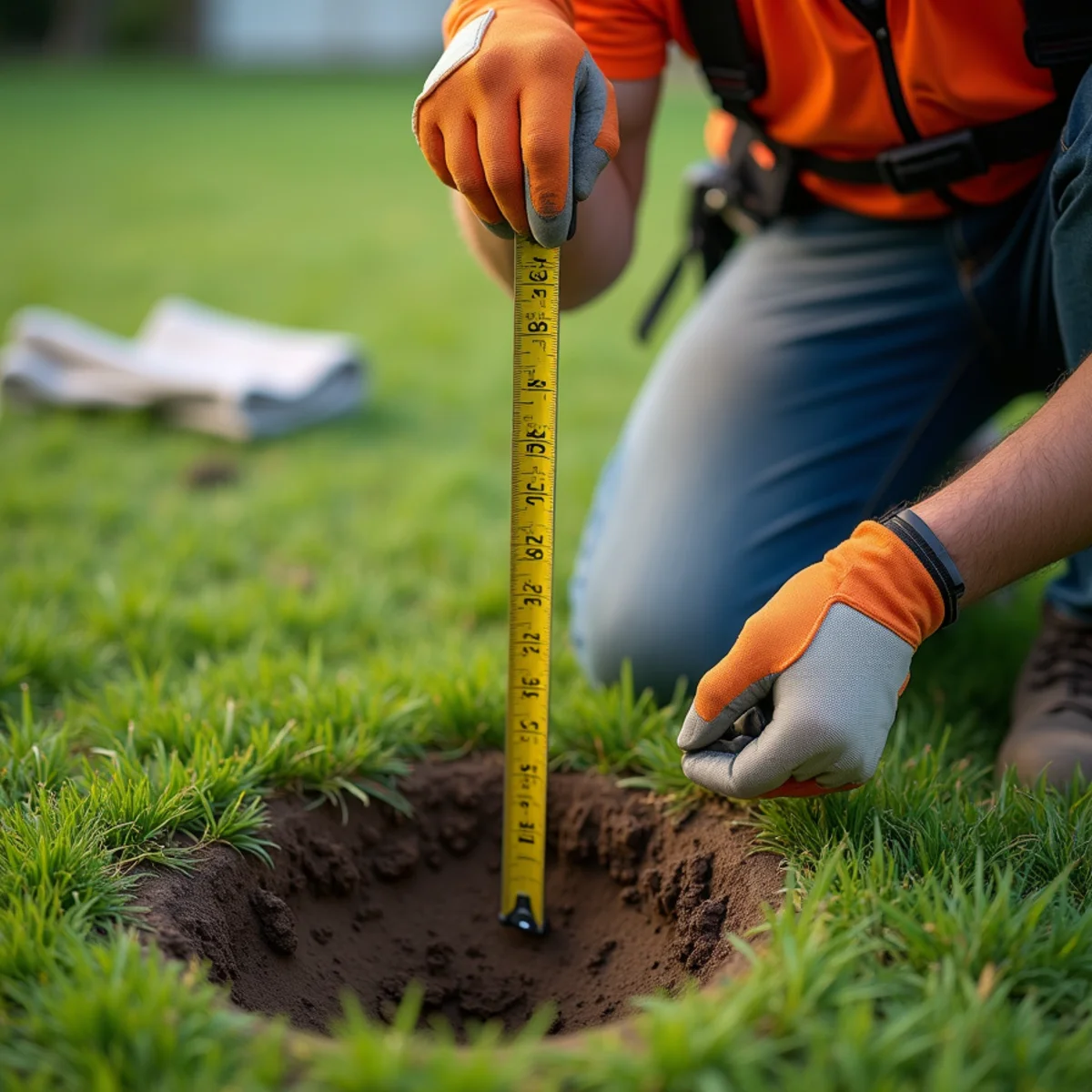
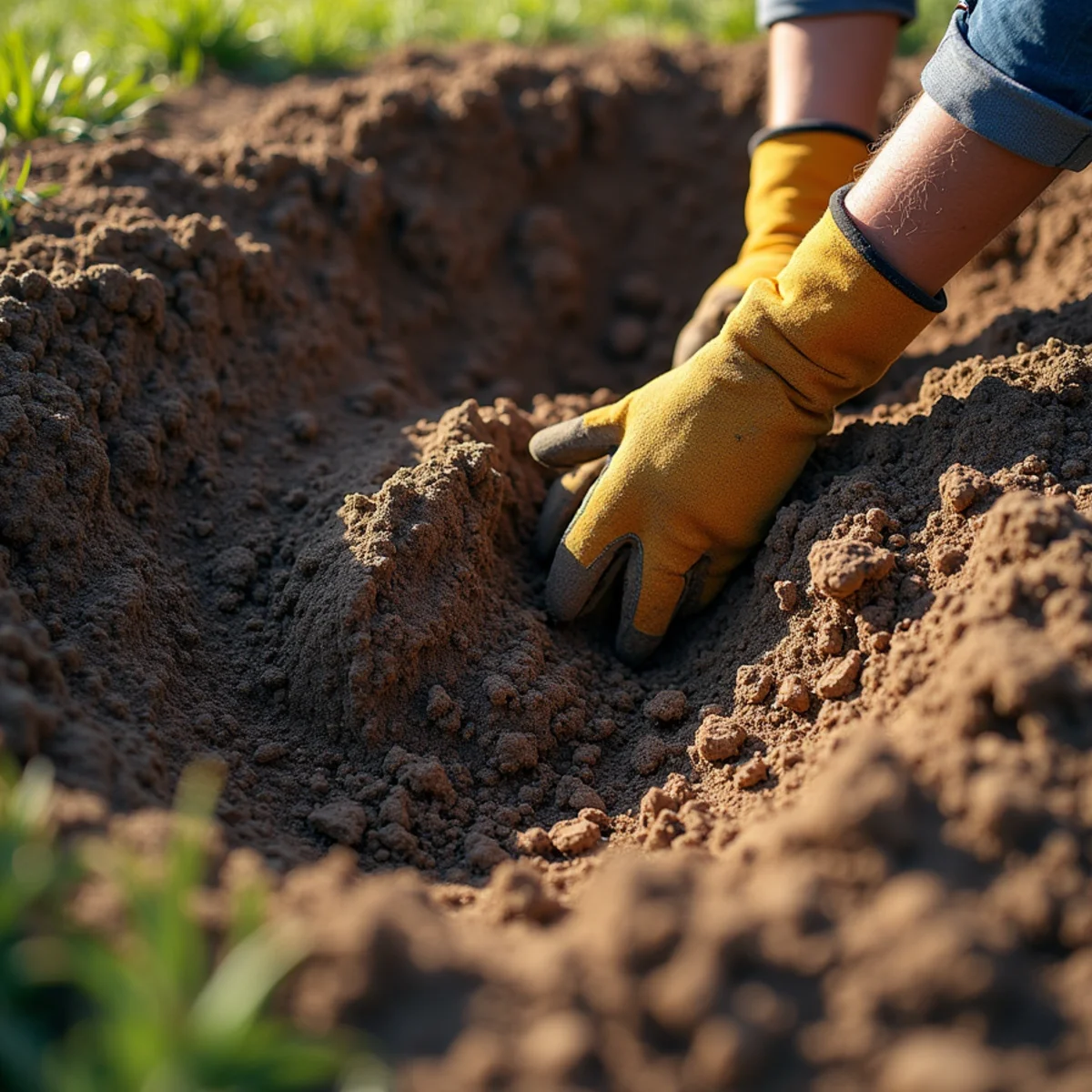
- Multi-Lift Screened Topsoil Compaction:Filling the massive crater requires several cubic yards of clean, screened Central Illinois black topsoil. We install fill dirt in successive 6-inch lifts, tamping each layer mechanically with vibratory plates to ensure the restored lawn will never settle or create water-trapping depressions.
- Surface Finish & Seedbed Preparation:We finish-grade the restored area with nutrient-rich topsoil, applying starter fertilizer and premium Kentucky bluegrass or turf-type tall fescue seed under a clean straw mulch blanket.
JULIE 811 Verification for Buried Lines Beneath Uprooted Root Balls
Uprooting trees frequently rip up or entangle critical municipal underground infrastructure:
- Tearing Out Municipal Infrastructure:Because mature lateral roots weave around buried utility lines, an uprooting root plate can yank gas mains, water service lines, buried electrical conduits, and fiber optic drops several feet out of position.
- High-Risk Utility Locates with JULIE 811:Before digging, grinding, or using excavator grapples around an uprooted root crater, our team coordinates emergency utility markings through JULIE 811.
- Specialized Pneumatic Air Excavation:Where utilities are pinned beneath root wood, our technicians deploy supersonic air excavation tools to blast away soil safely without risking mechanical spade strikes on energized wires or pressurized gas lines.
- Utility Coordination & Clearances:If city water service lines or electrical conduits are damaged, we coordinate directly with CWLP or Ameren Illinois emergency repair desks.
Pricing Factors for Uprooted Tree Extraction & Soil Restoration
Uprooted tree extraction costs vary depending on structural hazards, equipment mobilization, and soil restoration volume:
- Trunk Diameter & Canopy Mass:Processing massive mature oak or maple canopies requires more logging crew hours and chipper truck runs than medium ornamentals.
- Root Plate Dimensions & Soil Adhesion Tonnage:Large root plates spanning 8 to 14 feet in diameter carry several tons of clay that must be pulverized or loaded onto heavy dump trailers.
- Crater Fill Dirt Volume:Deep root craters frequently require between 3 and 10 cubic yards of screened topsoil to restore lawn grade, impacting material delivery and compaction labor.
- Crane or Heavy Winch Mobilization:Trunks hung up on adjacent garages, fences, or overhead wires require mobile cranes or heavy winch tractors to relieve weight safely.
- Full Sangamon County Service Area:We deliver uprooted tree extraction and lawn restoration across Springfield, Chatham, Sherman, Rochester, Riverton, Leland Grove, Jerome, Grandview, Southern View, Williamsville, Auburn, Pawnee, and New Berlin.
Frequently Asked Questions About Uprooted Tree Removal
For mature shade trees, no. Uprooting severs 60–80% of critical structural and vascular roots; attempting to right a large tree creates an unstable hazard that will inevitably decline and fall. Only young, small saplings (under 4 inches trunk diameter) can occasionally be replanted and staked with success.