Fallen Tree Removal in Springfield: Safe Extraction from Homes & Vehicles
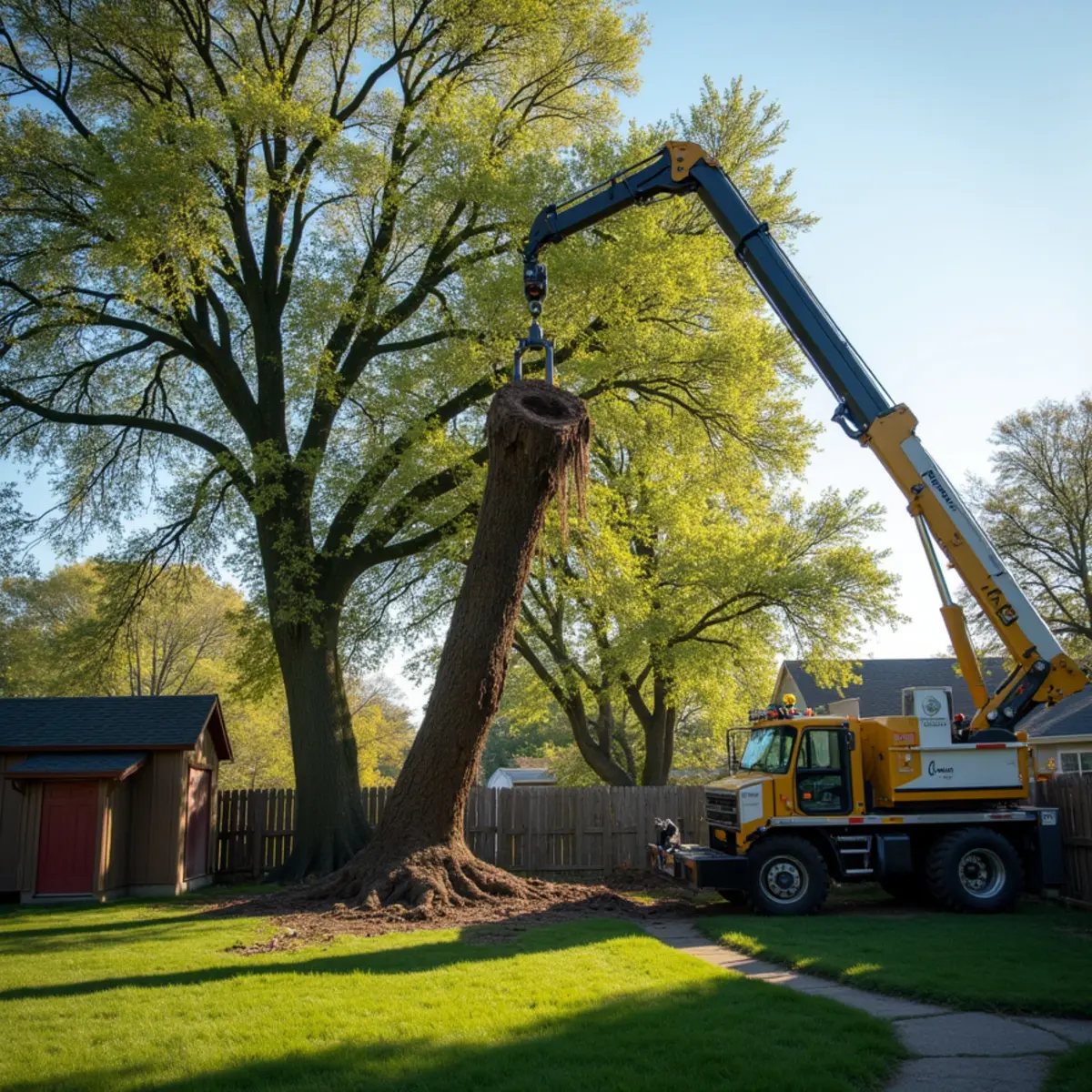
When a mature timber specimen topples onto a residential residence, car garage, vehicle, or boundary fence line, calling for technical fallen tree removal in Springfield, IL demands meticulous rigging engineering to protect building foundations, salvage intact roof framing, and eliminate sudden rollover hazards. Extracting timber resting against a building envelope presents unique physical challenges unlike standard forestry cutting: the main log, thick lateral branches, and crushed crown harbor extreme internal compression and kinetic tension forces. Our Springfield extraction specialists utilize knuckleboom cranes, heavy-duty synthetic webbing chokers, and multi-angle relief cuts to hoist downed trunks without puncturing ceiling joists or dislodging wall framing.
Throughout Sangamon County communities, intense meteorological occurrences—such as destructive gale-force downbursts, microburst wind corridors, and heavy sub-zero sleet accumulations—routinely bring down mature pin oaks, hackberries, and cottonwoods. When timber collides with residential property, swift intervention prevents progressive ceiling sagging and interior mold exposure. Our licensed and fully bonded arborists interface promptly with homeowners and property insurance representatives, conducting zero-drag overhead lifts and calculated hinge relief cuts to eliminate structural weight efficiently.
Need Professional Fallen Tree Removal in Springfield?
Call our dispatch team at (858) 780-5212 for rapid callbacks and transparent, upfront written quotes.
Managing Severe Mechanical Tension & Compression in Fallen Trunks
Cutting into an unsettled fallen log without proper structural calculations exposes property and crew to severe kinetic release hazards:
- Violent Spring-Pole Rebound:Lateral boughs trapped beneath a heavy trunk store massive reactionary energy like bent archery bows. Severing these tensioned boughs improperly causes violent outward whipping that can shatter exterior brick veneer, break windows, or cause severe crew trauma.
- Top Compression vs. Bottom Tensile Stress:An overhead log bridging across gutters or gables undergoes intense downward compressive stress along its upper bark while its lower fibers experience extreme elongation tension. Indiscriminate chainsaw cuts immediately pinch saw guide bars, locking chains and risking uncontrollable trunk drop.
- Unstable Center of Gravity & Rotational Roll:Timber balancing on sloped roofs has precarious pivot points. Trimming weight off one side abruptly shifts balance, inducing rotational rolls that can crush exterior plumbing vents or punch through load-bearing eaves.
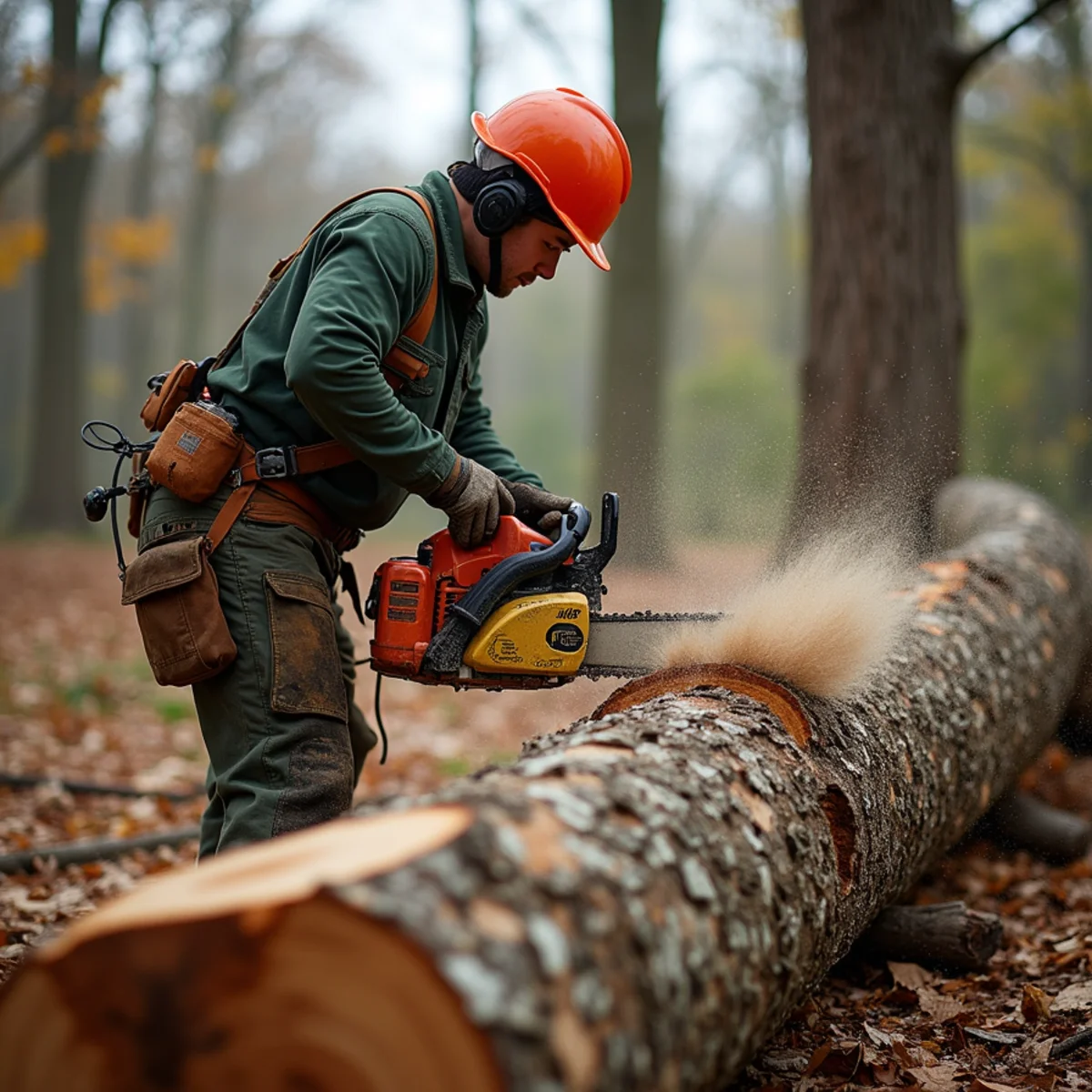
- Calibrated Kerf & Step Cuts:Our certified arborists execute staggered plunge cuts, kerf relief kerfs, and stepped tongue cuts to bleed off kinetic tension progressively, ensuring total control throughout every cut.
Preventing Secondary Structural Damage During Extraction
Our premier operating objective during structural fallen timber extractions is ensuring the removal operation creates no supplementary property injury:
- Zero-Drag Overhead Lifting:Rather than dragging heavy timber sections over residential roofing tiles—a careless practice that gouges plywood sheathing, shears gutter runs, and stresses weakened trusses—we utilize telescoping cranes to suspend and hoist timber straight up into clear airspace before swinging down to chipper staging.
- Non-Marring Synthetic Slings:We secure logs utilizing heavy double-braid synthetic chokers rather than abrasive wire cables, protecting undamaged siding, aluminum fascia, and exterior masonry finishes from friction scuffs.
- Engineered Load-Spreading Crawl Platforms:Whenever technicians must access steeply pitched roofs to affix rigging hardware, we position load-spreading plywood walkway platforms and wood cribbing blocks across load-bearing structural walls.
- Temporary Weather Barriers:Immediately following timber lifting, our crew cleans fragmented asphalt granules and lays heavy storm barriers anchored with wooden lath boards to seal out inclement precipitation until permanent roofing repairs occur.
Illinois Property Boundary Rules: When a Neighbor's Tree Falls on Your Land
Determining legal responsibility when an adjacent neighbor's tree crosses property boundaries is a common point of dispute in Sangamon County:
- Illinois Common Law Act of God Doctrine:Under Illinois jurisprudence, when an otherwise vigorous, living tree belonging to a neighboring parcel is felled onto your land by severe weather, the occurrence is considered an Act of God. Your private homeowner property policy handles damage repair and timber cleanup on your premises.
- Documented Owner Neglect Exceptions:If the tree exhibited visible structural rot, fungal conks, or hollowed trunk cavities, and the adjacent owner had documented notice of this dangerous defect before the storm, legal liability for all repairs and timber extraction can legally transfer to the neighbor's insurer.
- Boundary Fence Restoration:Where fallen trunks crush dividing boundary fencing, Illinois agricultural and residential statutes encourage shared cooperative remediation, though insurance policies generally address fencing under auxiliary dwelling coverage.
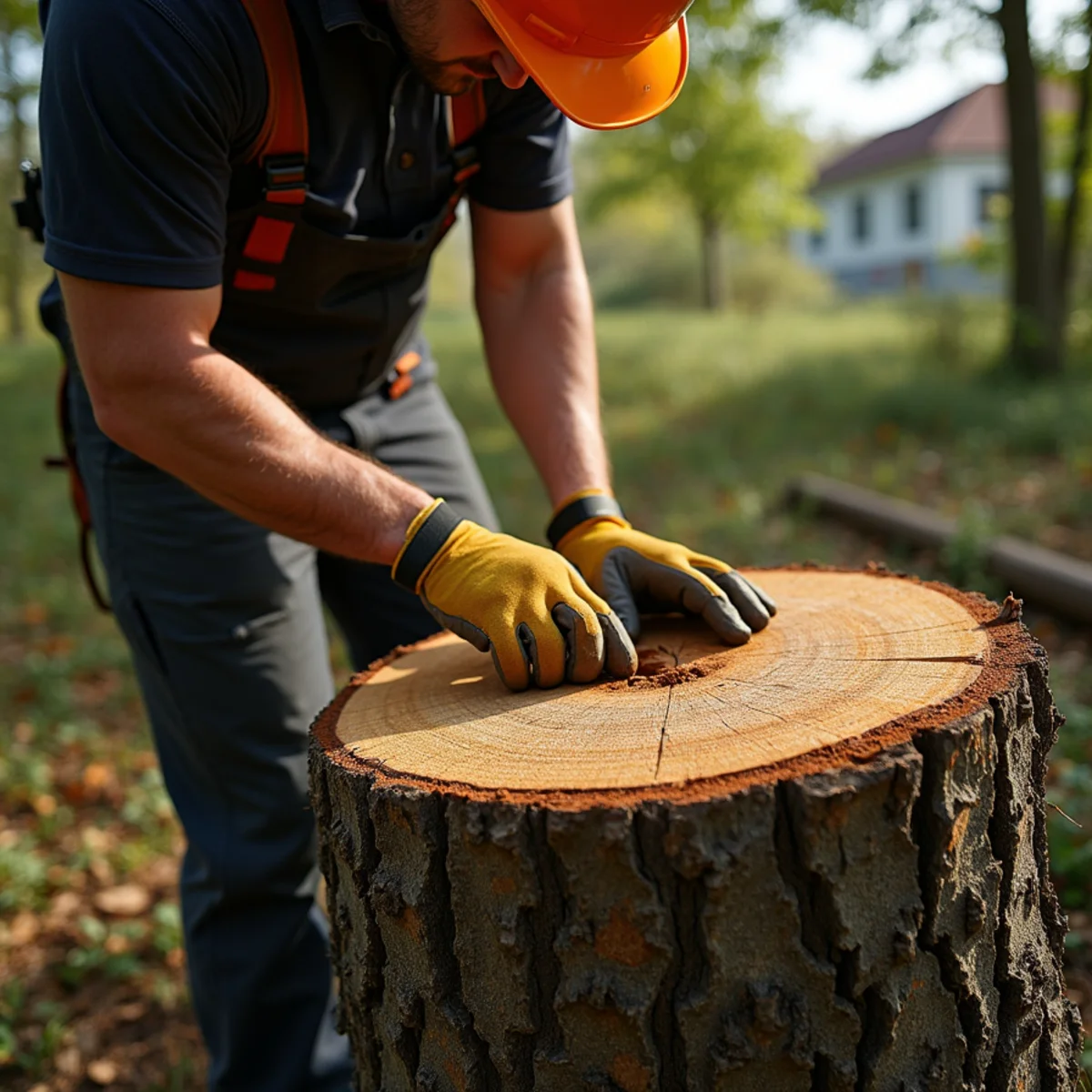
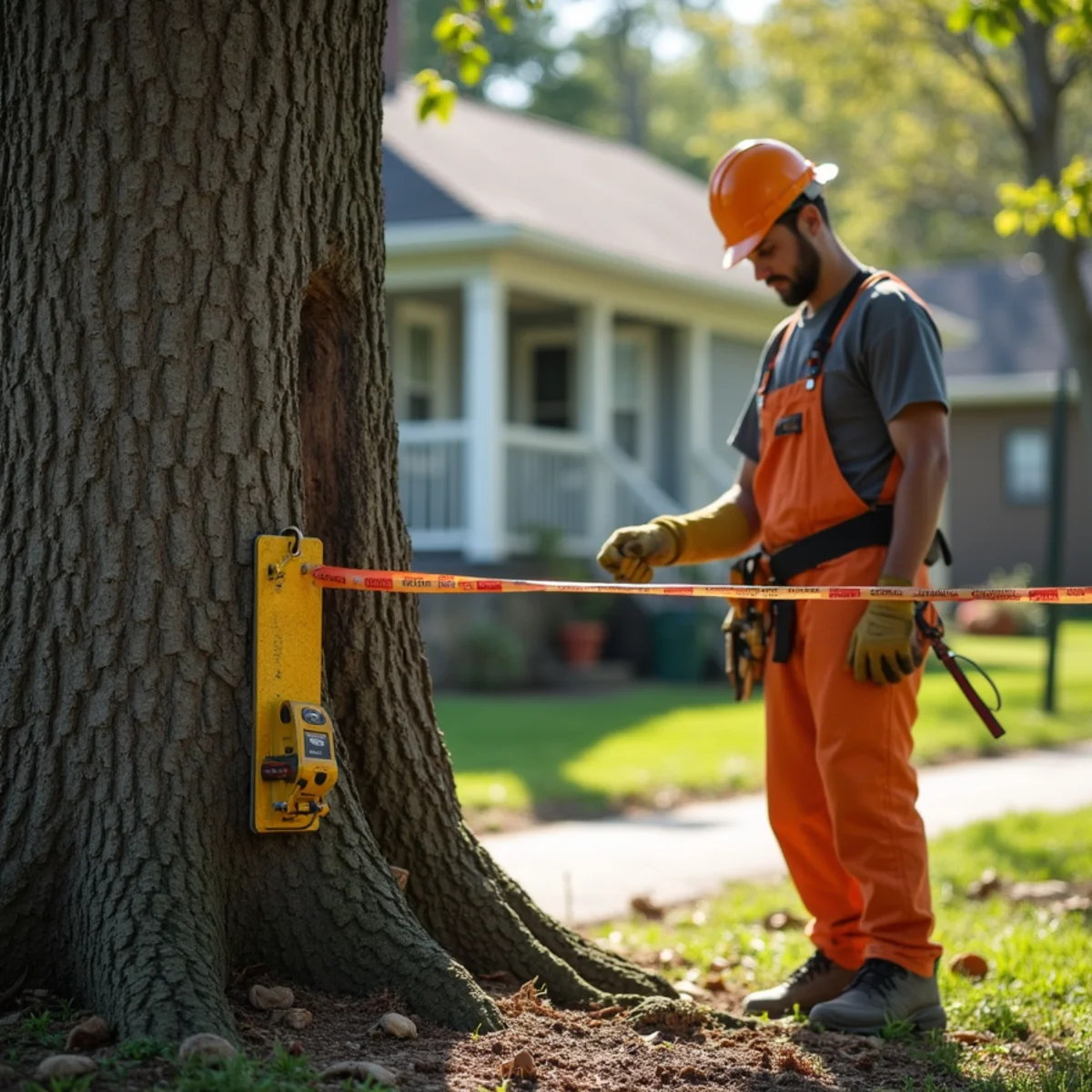
- Forensic Wood Analysis:Our lead arborists perform detailed wood assessments, capturing forensic photography of fungal rot pockets, branch bark ridges, and root health to substantiate client insurance claims.
Insurance Coordination: Documenting Structural Impact for Adjusters
Navigating insurance documentation following tree impact requires precision. We furnish property owners and insurance claims professionals with adjuster-grade documentation packages:
- Comprehensive Photo Inventories:Prior to starting structural cuts, we take detailed multi-angle photos showing tree placement against siding, punctured roof decking, fractured rafter joists, and crushed gutter systems.
- Segregated Line-Item Invoicing:Insurance reviewers need precise distinctions between emergency structural stabilization (covered under primary dwelling clauses) versus general lawn branch cleanup. We separate crane operation, structural stabilization, weatherproofing, and log processing into transparent itemized entries.
- Adjuster Collaboration:We provide claims reviewers with exact tree trunk diameters, estimated green log tonnage, crane operational runtimes, and engineering triage logs.
- Standardized Estimating Protocols:All service quotes and completed invoices align with recognized regional property restoration rate schedules.
Cost Drivers for Fallen Tree Extraction & Site Clearing
Pricing for structural fallen tree removal depends on crane mobilization necessities, accessibility constraints, and property hazard variables:
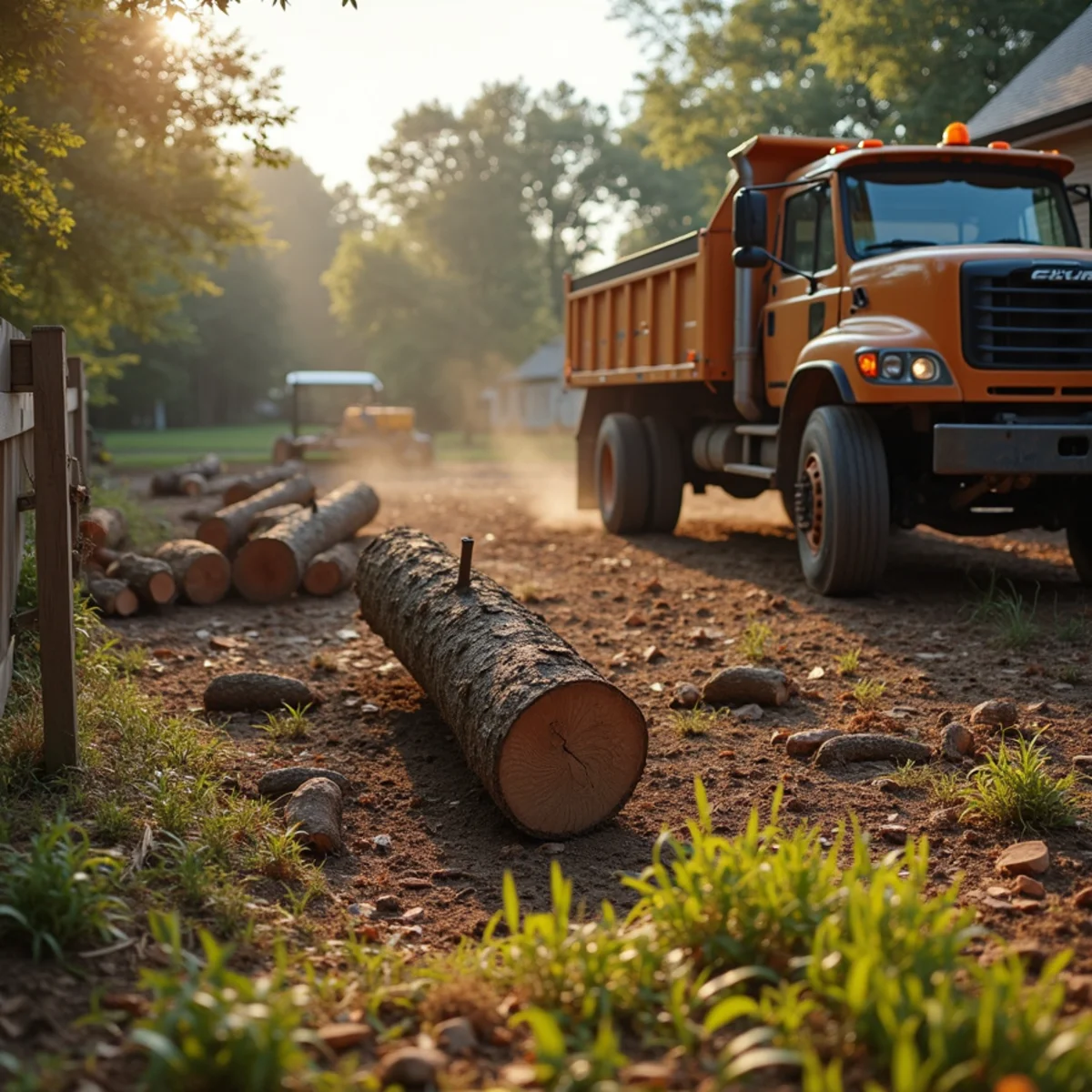
- Crane Rigging Mobilization:Heavy extractions demanding telescoping mobile cranes or knuckleboom equipment require dedicated transport permits and crane operator crews.
- Building Breach Complexity:Timber that has punctured into finished living quarters or entangled exterior utility masts requires delicate rigging compared to timber resting harmlessly across a turf lawn.
- Wood Density & Timber Mass:Heavy green hardwoods like white oak, bur oak, or hickory require larger crane pick capacities and higher transport tonnage than lightweight pines.
- Yard Access & Ground Integrity:Navigating narrow side setbacks, working near septic drain lines, or operating on saturated Illinois clay dictates whether composite ground track mats are deployed to safeguard lawns.
- Serving Greater Springfield Communities:Our extraction units cover properties in Leland Grove, Rochester, Chatham, Grandview, Auburn, Riverton, Williamsville, Jerome, and Southern View.
Frequently Asked Questions About Springfield Fallen Tree Removal
Yes, in most cases. If a fallen tree strikes and damages an insured structure—such as your house, garage, shed, or fence—your homeowners insurance typically covers the cost of extracting the tree from the structure and repairing the building, minus any policy deductible you maintain.