The Mechanics of Winter Glaze Ice: Why Ice Storms Crush Trees
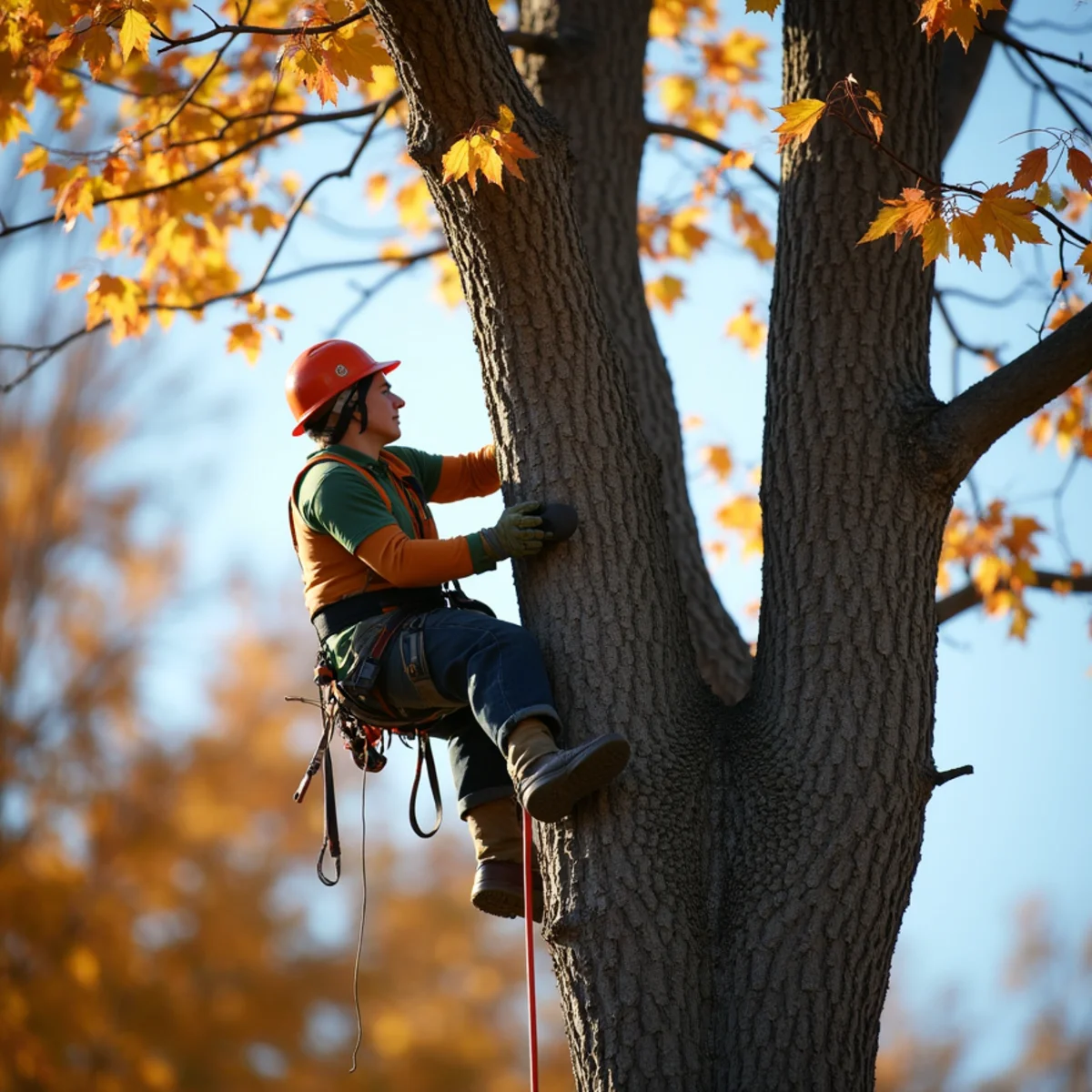
Winter in Central Illinois brings picturesque snowfalls, but it also carries one of the most destructive natural hazards in the Midwest: freezing rain and glaze ice storms. When a warm, moisture-laden atmospheric layer overrides cold sub-freezing air near the surface, rain freezes on contact with bare tree canopies. A modest quarter-inch glaze of ice adds approximately 500 pounds of weight to an average mature tree, while a severe three-quarter-inch coating can add over 10,000 pounds of crushing static load. Implementing an autumn tree care checklist prepares your property to weather winter extremes. Winter freezing rain and glaze ice storms add thousands of pounds of crushing weight to bare hardwood canopies across Central Illinois.
Step 1: Deadwood Elimination — Clearing Limbs Before Ice Accumulates
The first step on your autumn checklist is the proactive removal of all dead, dying, and cracked branches. Deadwood has no cellular elasticity or moisture; under the heavy weight of freezing rain, brittle dead limbs snap almost immediately. Overhanging deadwood above driveways, roofs, power service lines, and walkways represents the primary source of winter emergency calls. Clearing deadwood during mild autumn weather eliminates these hazards before sub-zero temperatures arrive. Removing brittle deadwood during autumn eliminates branches that snap immediately under the heavy static load of winter glaze ice.
Need Professional Advice for Your Trees?
Call our local dispatch desk at (858) 780-5212. We provide prompt on-site evaluations across Springfield and Sangamon County.
Step 2: End-Weight Reduction on Overextended Lateral Boughs
The second critical measure is end-weight reduction pruning on long, overextended horizontal limbs. Horizontal branches—especially those stretching twenty to thirty feet away from the main trunk toward your home—act like long mechanical levers. As glaze ice coats the twigs at the outer tip, the bending torque exerted on the branch junction increases exponentially. Certified arborists perform reduction cuts back to strong upright laterals, significantly decreasing leverage and preventing catastrophic limb tear-outs. End-weight reduction pruning on long horizontal limbs significantly decreases mechanical leverage, preventing severe branch tear-outs.
Step 3: Inspecting V-Crotches and Installing Supplemental Cabling
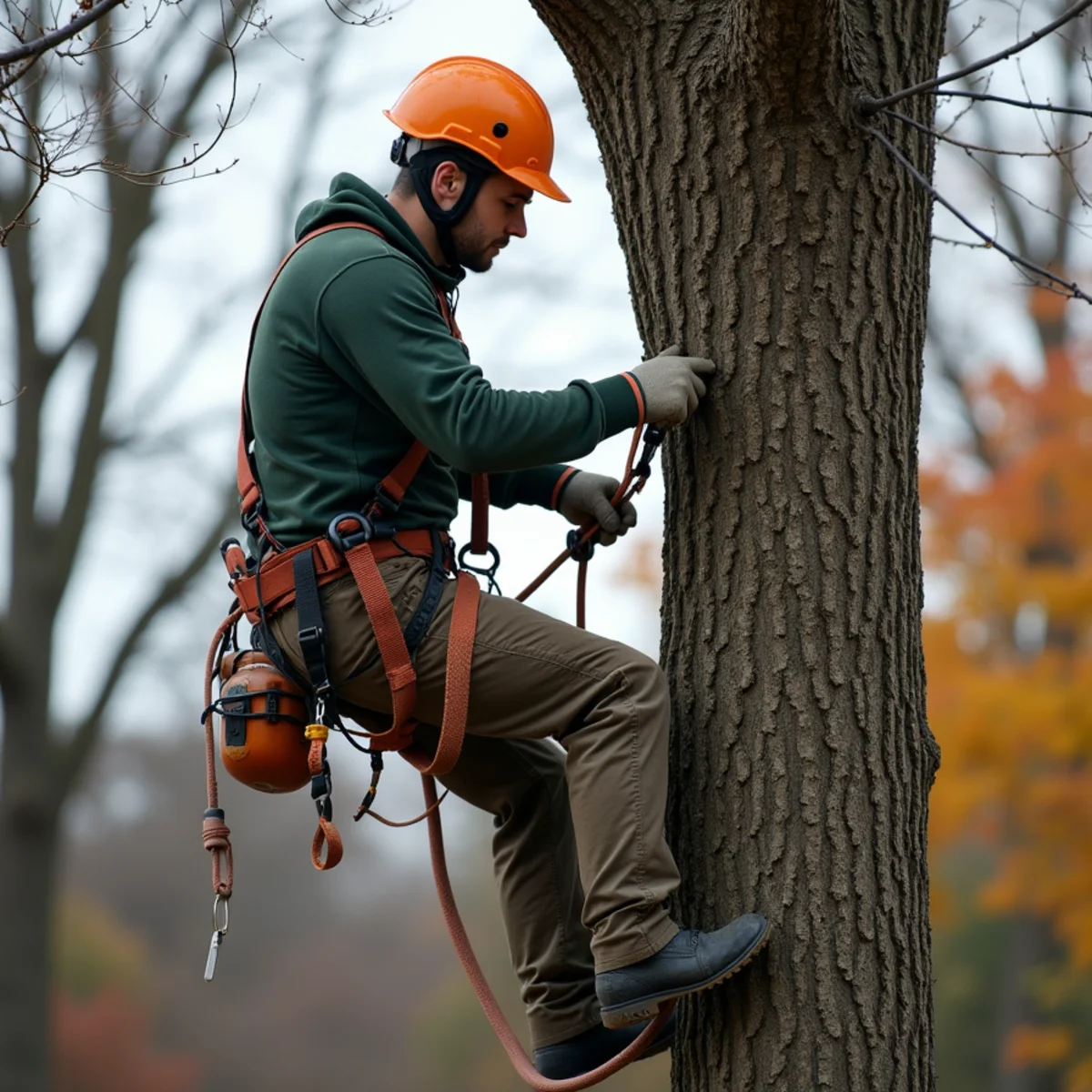
The third inspection point focuses on tight, V-shaped co-dominant stem unions. Trunks that grow closely together with narrow angles often harbor included bark, creating a weak seam that cannot support heavy ice accumulation. For prized specimen hardwoods showing structural vulnerability, installing high-strength steel through-bolts or non-invasive Cobra dynamic cabling systems high in the canopy redistributes ice loads between companion stems, preventing split failures. Installing high-strength steel through-bolts or dynamic Cobra cabling in tight V-shaped stem unions prevents co-dominant trunks from splitting.
Step 4: Crown Thinning to Minimize Total Ice-Holding Surface Area
Crown thinning represents the fourth preventative protocol. While trees should never be lion-tailed or over-pruned, selective thinning of interior branch density reduces the total surface area available for ice accumulation. By removing crossing branches, weak watersprouts, and redundant twigs, arborists reduce overall canopy drag and glaze buildup, allowing winter winds to pass through the crown with minimal mechanical resistance. Selective crown thinning reduces total canopy surface area, allowing winter winds and glaze rain to pass through with less resistance.
Step 5: Winter Root Zone Hydration and Protective Organic Mulching
The fifth step focuses on root system health and soil insulation. Central Illinois winters frequently subject soils to severe freeze-thaw cycles that can heave root systems. Before the ground freezes solid in late November, ensure mature trees are thoroughly hydrated with deep root watering. Follow this by applying a 2-to-3-inch layer of clean, organic wood mulch across the root zone (keeping mulch several inches away from the trunk flare) to moderate soil temperatures and prevent frost heaving. Deep autumn watering and a protective 3-inch layer of organic wood mulch insulate root zones against harsh winter freeze-thaw cycles.
What NEVER to Do During an Active Ice Storm: Why Shaking Limbs Causes Catastrophic Damage
It is equally crucial for property owners to understand what NOT to do during an active winter ice storm. When trees are bowing severely under heavy glaze, homeowners often attempt to knock ice off branches using brooms or poles. Doing this is extremely dangerous and often fatal to the tree. Under freezing temperatures, frozen wood fibers are glass-brittle; jarring or shaking ice-laden boughs creates shockwaves that cause limbs to snap off instantly. Always allow ice to melt naturally when temperatures warm. Homeowners must never shake ice-laden branches during an ice storm, as frozen wood fibers are glass-brittle and will shatter under impact.
Frequently Asked Questions About Ice Storm Tree Preparation in Springfield
Partnering with a certified tree care provider in autumn ensures your landscape is inspected by trained arborists who understand winter storm physics. At On The Grind, our preventative winter audits identify hidden structural faults, clear hazard limbs, and fortify your mature trees against the harshest Central Illinois ice storms. Partnering with an ISA Certified Arborist in autumn ensures that mature trees are fortified against the harshest Central Illinois winter storms.
Frequently Asked Questions About Ice Storm Tree Preparation in Springfield
A quarter-inch of ice causes minor branch snapping, while a half-inch to three-quarter-inch glaze adds thousands of pounds of weight, causing widespread structural failure in mature trees.