The Immediate Life-Safety Danger: Step Potential and Arc Flash
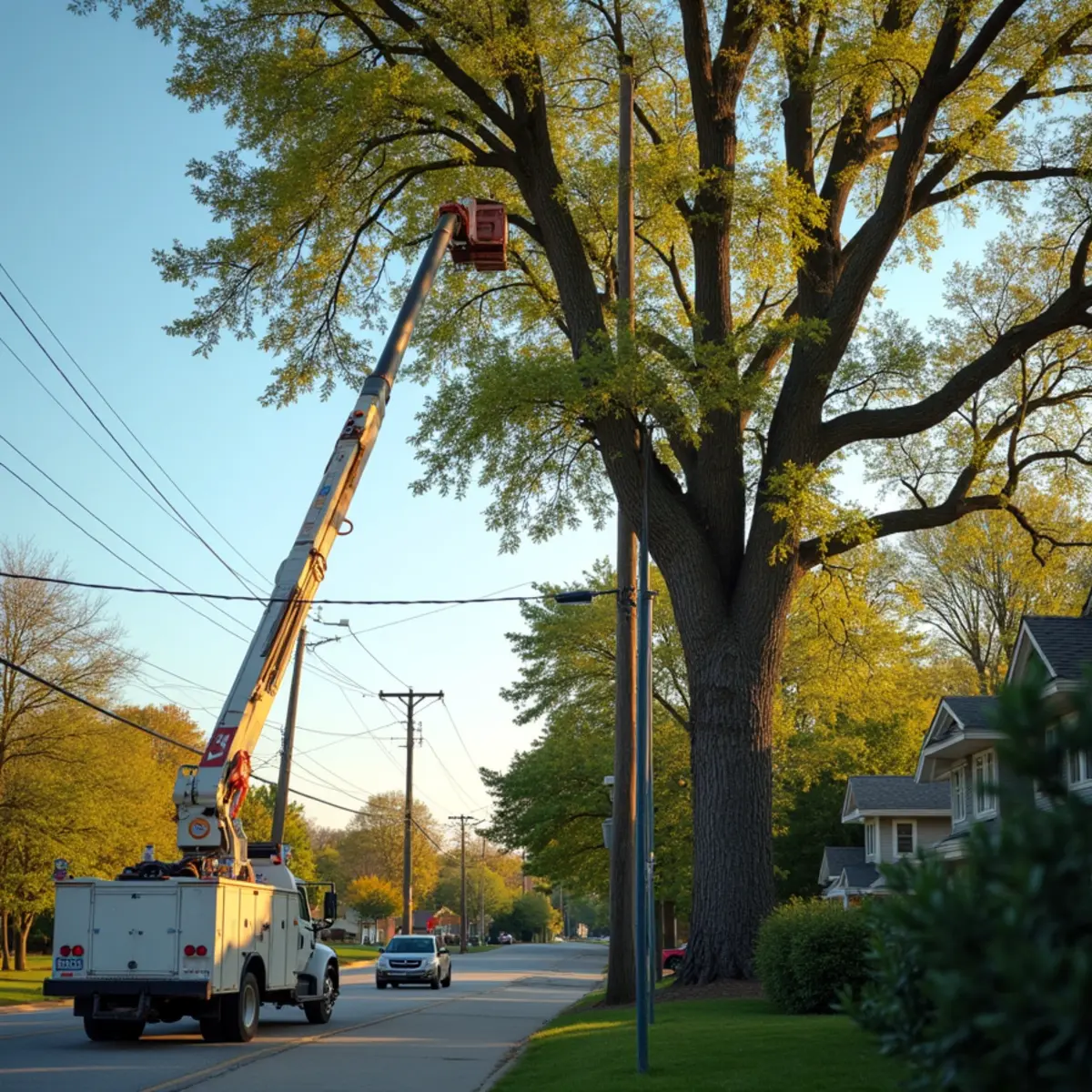
When a storm brings down a heavy tree limb across overhead utility wires in Springfield or surrounding Sangamon County, your immediate instinct might be to call a local tree service to cut it away. However, doing so can be a fatal mistake. Any tree or branch touching an overhead wire must be treated as fully energized with lethal high-voltage electricity. Before any chainsaw touches wood, your electric utility provider—either City Water, Light & Power (CWLP) or Ameren Illinois—must respond to assess and de-energize the lines. Severe electrical burns and fatal shocks can occur without direct wire contact, as high-voltage electricity readily arcs through green foliage and wet branches.
Utility Responsibilities in Springfield: CWLP vs. Ameren Illinois
The primary danger in wire-contact situations is a physical phenomenon known as 'step potential.' When an energized high-voltage line touches a tree or drops to wet ground, electricity radiates outward through the soil in concentric voltage ripples. If a person walks near the area, the voltage difference between their feet can drive lethal electrical current up one leg and down the other. Always maintain a minimum safety perimeter of at least 35 feet away from any downed wire, sagging line, or touching vegetation. Step potential radiates outward in concentric voltage waves, making it essential to keep family members, neighbors, and pets well beyond the designated safety perimeter.
Need Professional Advice for Your Trees?
Call our local dispatch desk at (858) 780-5212. We provide prompt on-site evaluations across Springfield and Sangamon County.
The Difference Between Service Drops and High-Voltage Feeders
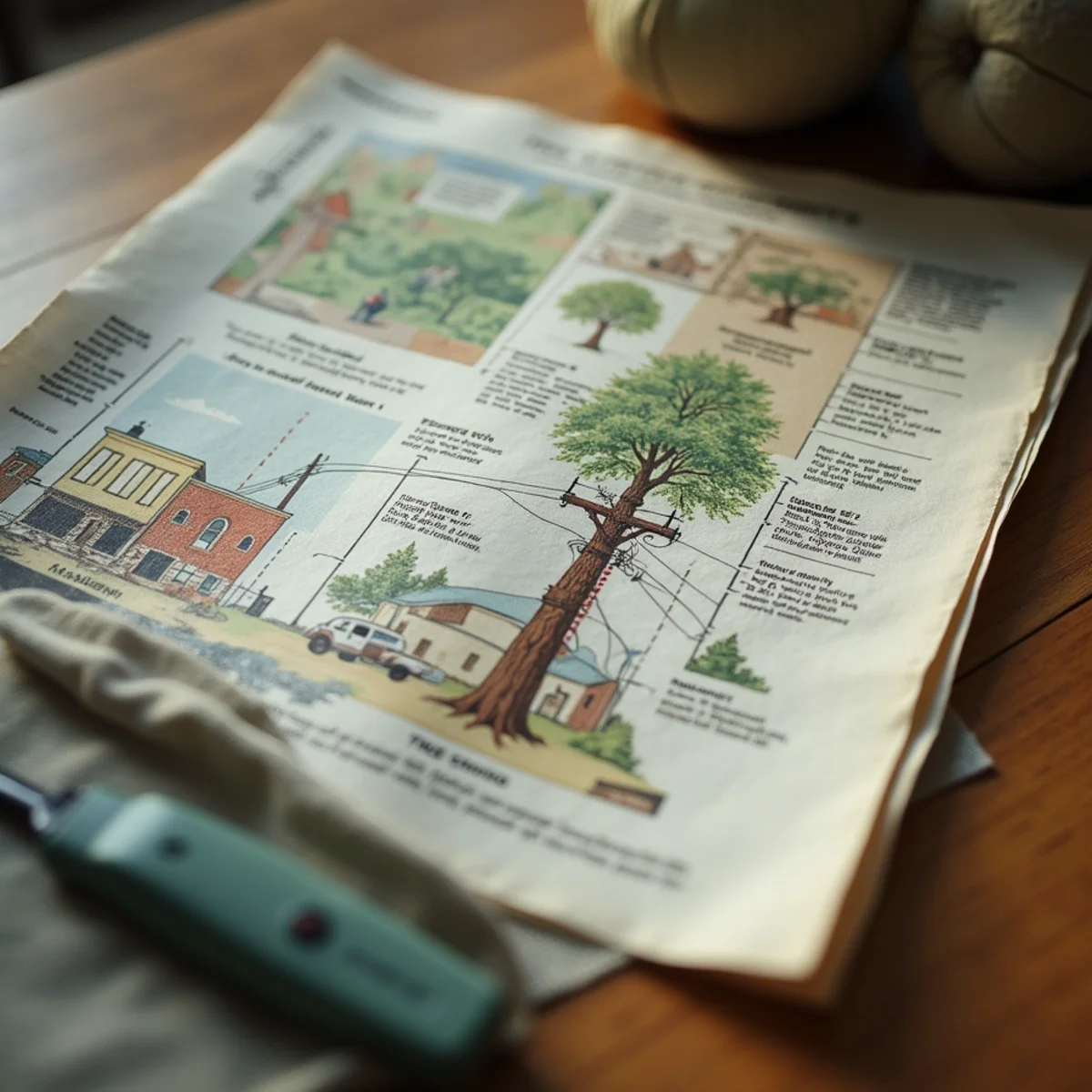
Understanding which utility company to contact depends on your geographic location. Within the municipal boundaries of Springfield, City Water, Light & Power (CWLP) operates the electric distribution grid, managing substations, poles, and primary distribution lines. In surrounding communities like Chatham, Sherman, Rochester, Auburn, and rural Sangamon County, Ameren Illinois is the regional electric utility. Both utilities maintain 24/7 dedicated emergency dispatch numbers for immediate hazardous wire reports. CWLP electric utility crews manage municipal Springfield circuits, while Ameren Illinois oversees distribution networks in surrounding towns like Chatham, Sherman, and Rochester.
Why Private Tree Services Cannot Legally Cut Near Energized Lines
Property owners should also recognize the distinction between utility distribution lines and private service drops. The high-voltage lines running from pole to pole along street corridors are owned and maintained entirely by the utility company. The secondary service wire that extends from the utility pole to the weatherhead on your house is the service drop. While utilities will de-energize and clear limbs from service drops during emergencies, repairing the weatherhead, mast pipe, and meter base on your home is the homeowner's responsibility. While utility linemen clear branches to restore electrical flow, repairing weatherhead conduit masts pulled loose from residential siding remains the homeowner's responsibility.
What Happens During a Utility Emergency Response
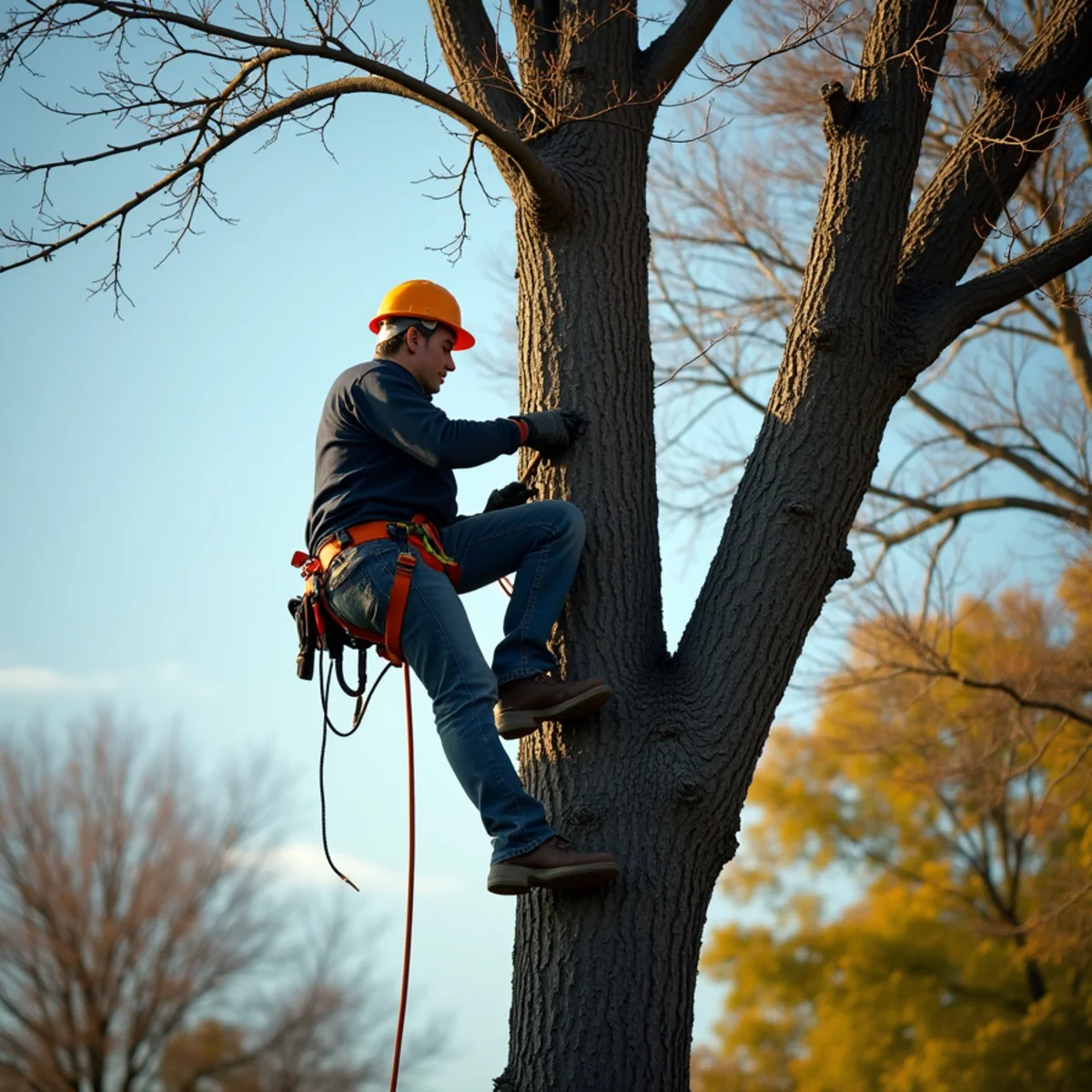
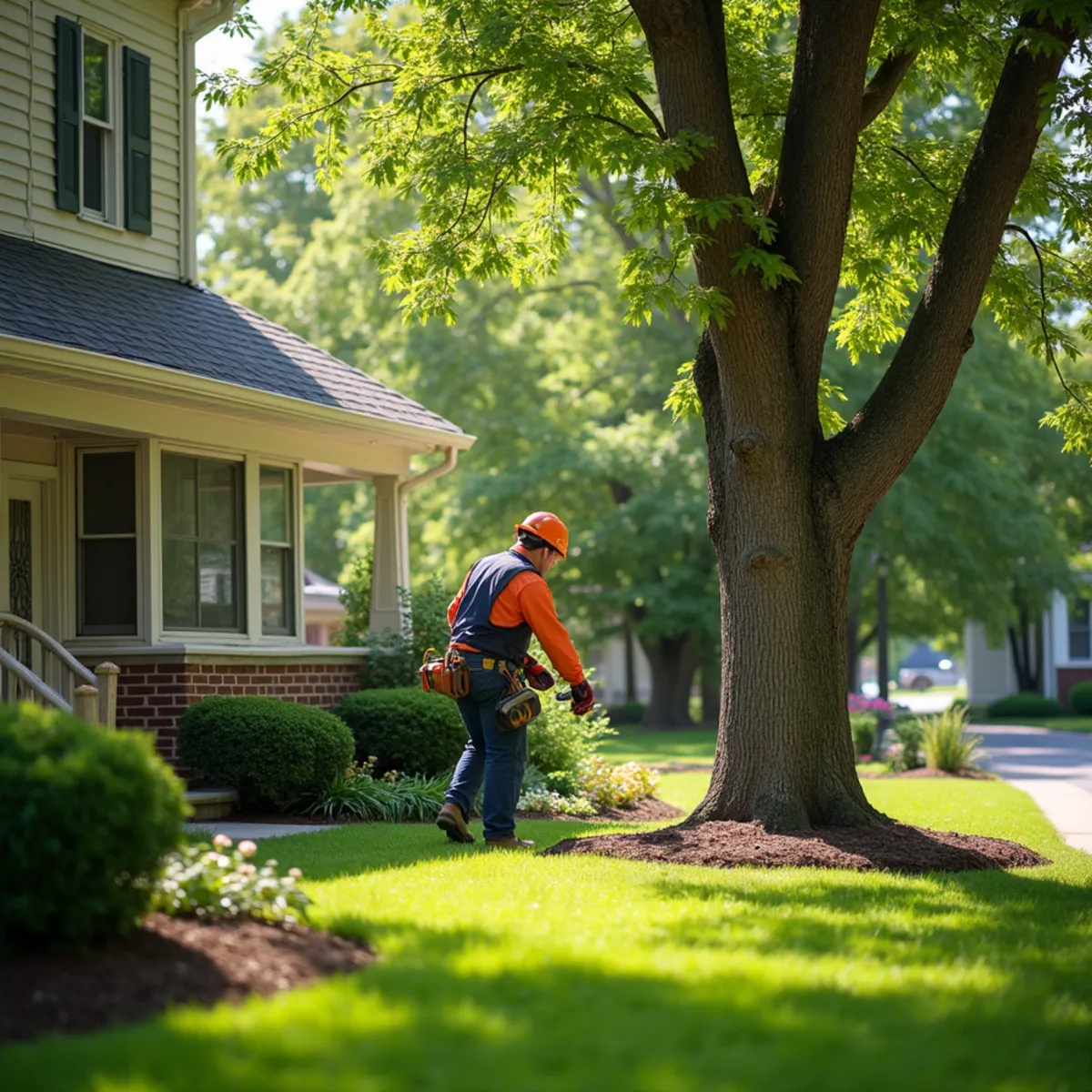
Federal OSHA regulations (specifically OSHA Standard 1910.269) and national arboricultural safety standards strictly prohibit standard tree workers from operating within 10 feet of energized electrical conductors. Only certified Line-Clearance Qualified Tree Trimmers with specialized electrical hazard training and insulated equipment are legally permitted to work near live power lines. Reputable tree services will never endanger their crew or property owners by cutting branches off active electrical feeds. OSHA standards mandate specialized line-clearance certifications and dielectric-tested aerial equipment before any tree worker can operate near energized overhead lines.
Coordinating Tree Removal Once Power Lines Are De-Energized
During a utility emergency response, linemen arrive in heavy bucket trucks equipped with hot sticks and voltage detectors. Their mission is to eliminate the immediate public hazard: they de-energize the affected circuit, cut away the specific boughs entangling the wire to restore electrical service, and ensure lines are safe. However, utility crews do not perform complete tree cleanup or haul away logs; they leave the severed wood on-site for the property owner to manage. Utility linemen focus exclusively on public safety and circuit restoration, cutting only what is necessary to re-energize lines and leaving remaining timber on the ground.
Preventing Power Line Conflicts Through Proactive Utility Pruning
Once CWLP or Ameren has officially confirmed the lines are de-energized or safely cleared, professional tree contractors like On The Grind can safely deploy to section the remaining trunk, grind the stump, and haul away the debris. If a large tree must be fully removed near power lines, we regularly coordinate scheduled temporary power shutoffs with utility dispatchers so our crews can dismantle the tree safely. Once electric lines are verified as cold and grounded, private tree contractors can safely deploy chainsaws, rigging systems, and loaders to remove remaining tree hazard sections.
Frequently Asked Questions About Trees and Power Lines in Springfield
Proactive vegetation management is the best defense against electrical outages. Planting low-growing ornamental trees (such as serviceberry, redbud, or crabapple) under power lines prevents mature canopy interference. For existing large hardwoods, regular directional pruning by qualified arborists trains growth away from the utility corridor, maintaining required safety clearances before severe storms strike. Selecting low-growing ornamental trees for utility easements prevents future power interruptions and eliminates the need for drastic utility clearance pruning.
Frequently Asked Questions About Trees and Power Lines in Springfield
No. You must call CWLP or Ameren Illinois first. Tree services cannot touch branches on energized wires until utility linemen have officially evaluated and de-energized the line.